We’re Connecting with the World. Again. :)

If you’ve been here for a while, then you know about the map that hangs in our classroom.  And then how it changed after some really good suggestions from some really smart 5th graders. If you’re new here, or you haven’t read those past posts, then let me tell you about it.
Blogging is a great activity for so many reasons.  I read blog post from fellow teacher and blogger Pernille Ripp the other day that really summed up everything I wanted to say about the “why” of blogging.  One of the really important benefits, which goes along with Common Core beautifully, is the global connection that blogging brings with it.  Children have the opportunity to reach outside themselves, sometimes to “talk” to people from places they’ve never heard of or don’t know much about.


In our classroom, we have this map.  Right now it looks really sad and empty:

But it doesn’t have to stay like that, and that’s where you come in.  On this map, we’re going to keep track of the places from where all of our comments come.   As readers leave comments–and tell us where they live–we’ll put in pins to show us all the places where we’ve made a connection.  We’re hoping to be able to reach as many countries and continents as we can!  So far, we actually have had comments from several places in Missouri, Alabama (thanks Mrs. Clark!), Kentucky (thanks Mr. Browning!), Argentina (courtesy of @gret in Buenos Aires!), Alaska (thanks Ms. Girard), and Australia (from Mr. Mannell, who is a regular visitor to our blog!)!  I’m a little late in getting those in, but partly because I was hoping that after this post, we’d have tons more to add!
So…if you are willing, after you read this blog, or our kid blogs, leave a comment and tell us what you think (and maybe if you’ve already commented, but didn’t tell us your location, come back again)!  Please tell us where in the world you live, so we can add you to our global connections!  We’re excited to see how our knowledge of the world grows as our pins are added and we continue on this journey!  Thanks in advance for your help!  We’re excited to meet you. 🙂

Cahokia Mounds!

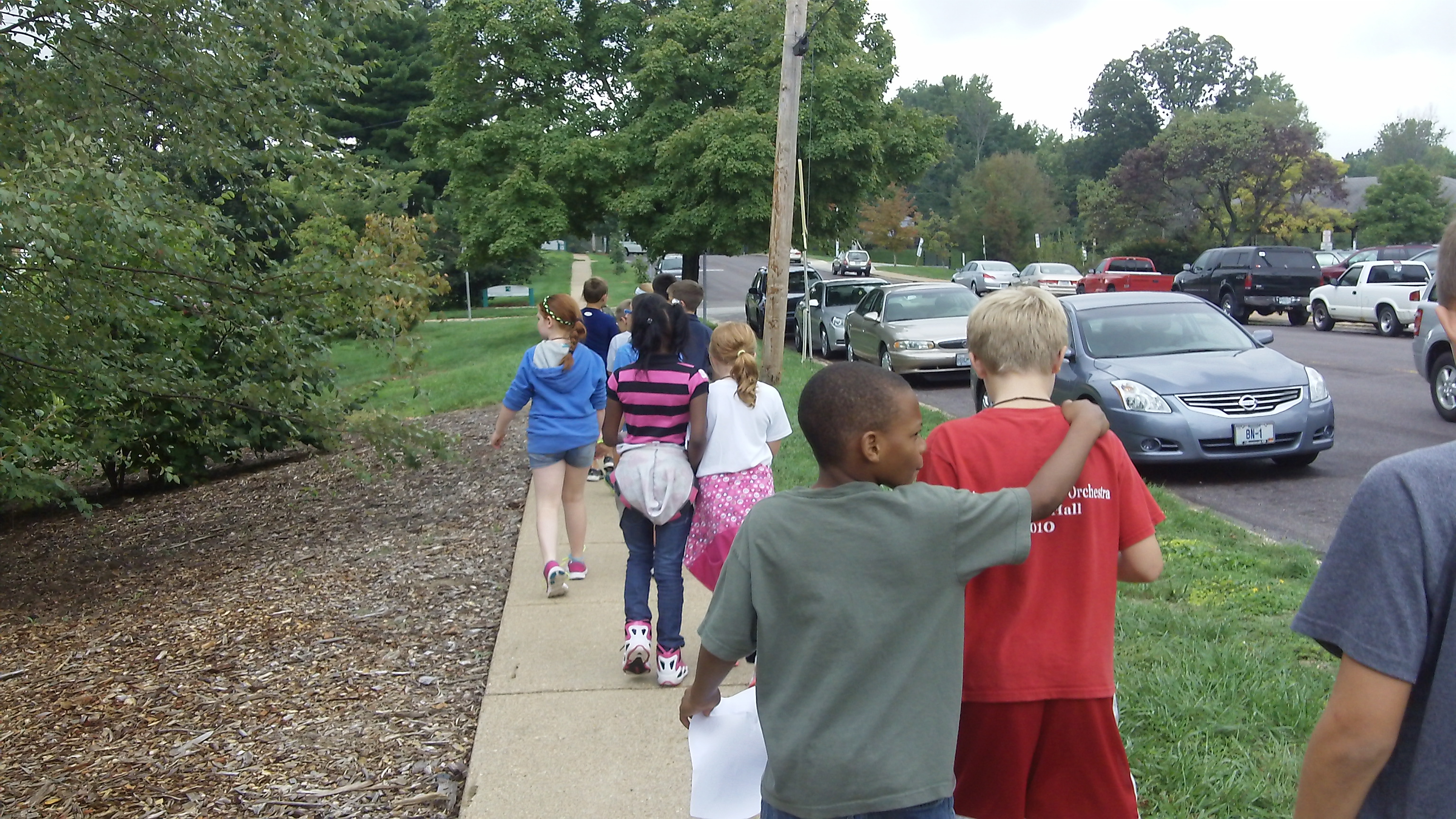
On Friday, we took a 5th Grade Field Trip to Cahokia Mounds!  Remember how we had just had a Social Studies unit on Mental Models and the Mississippians at Cahokia?  Well we topped it off with a trip to visit the site, since it’s just a short bus ride from our school.
Probably best to tell about it with some pictures!

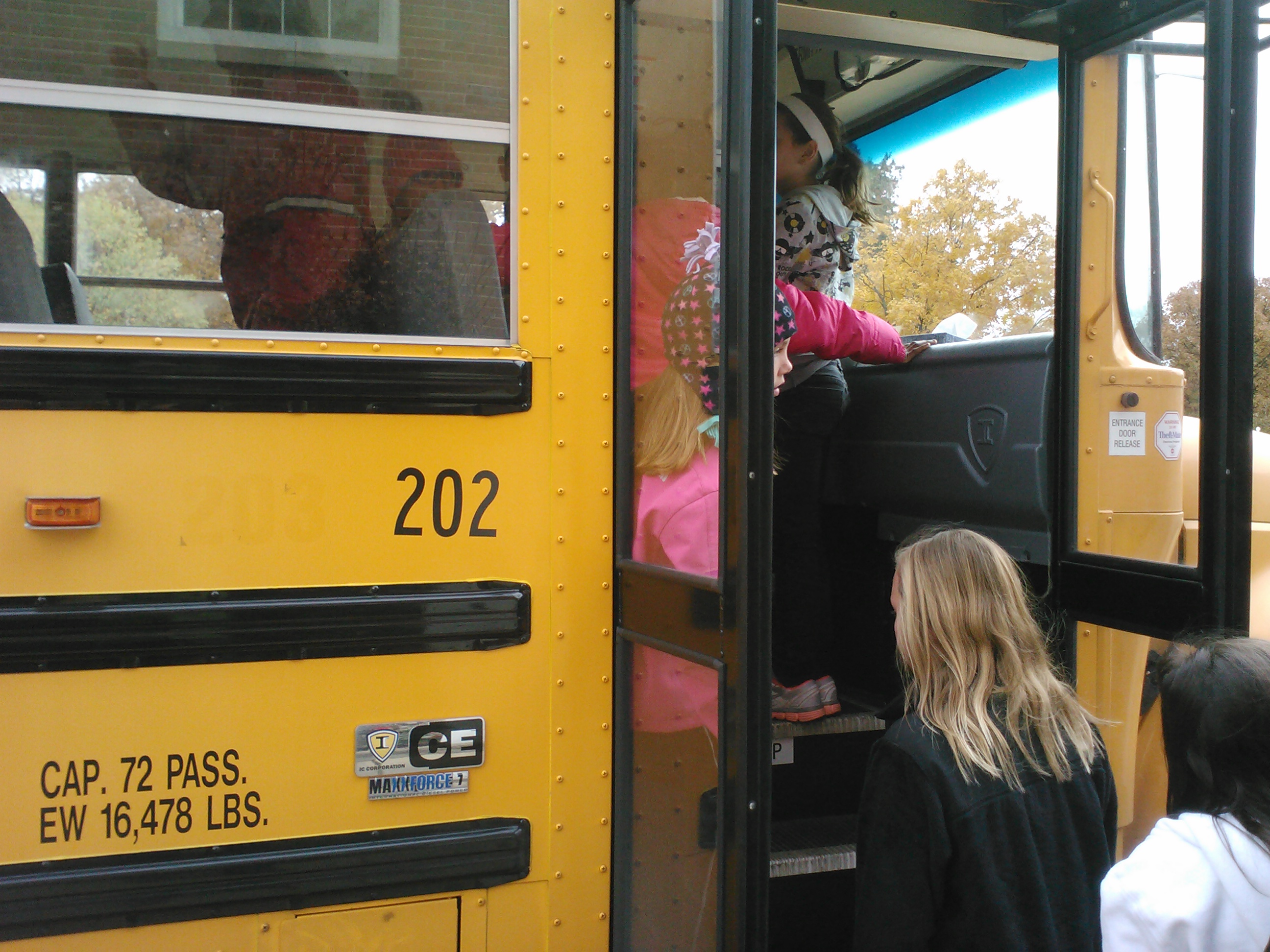
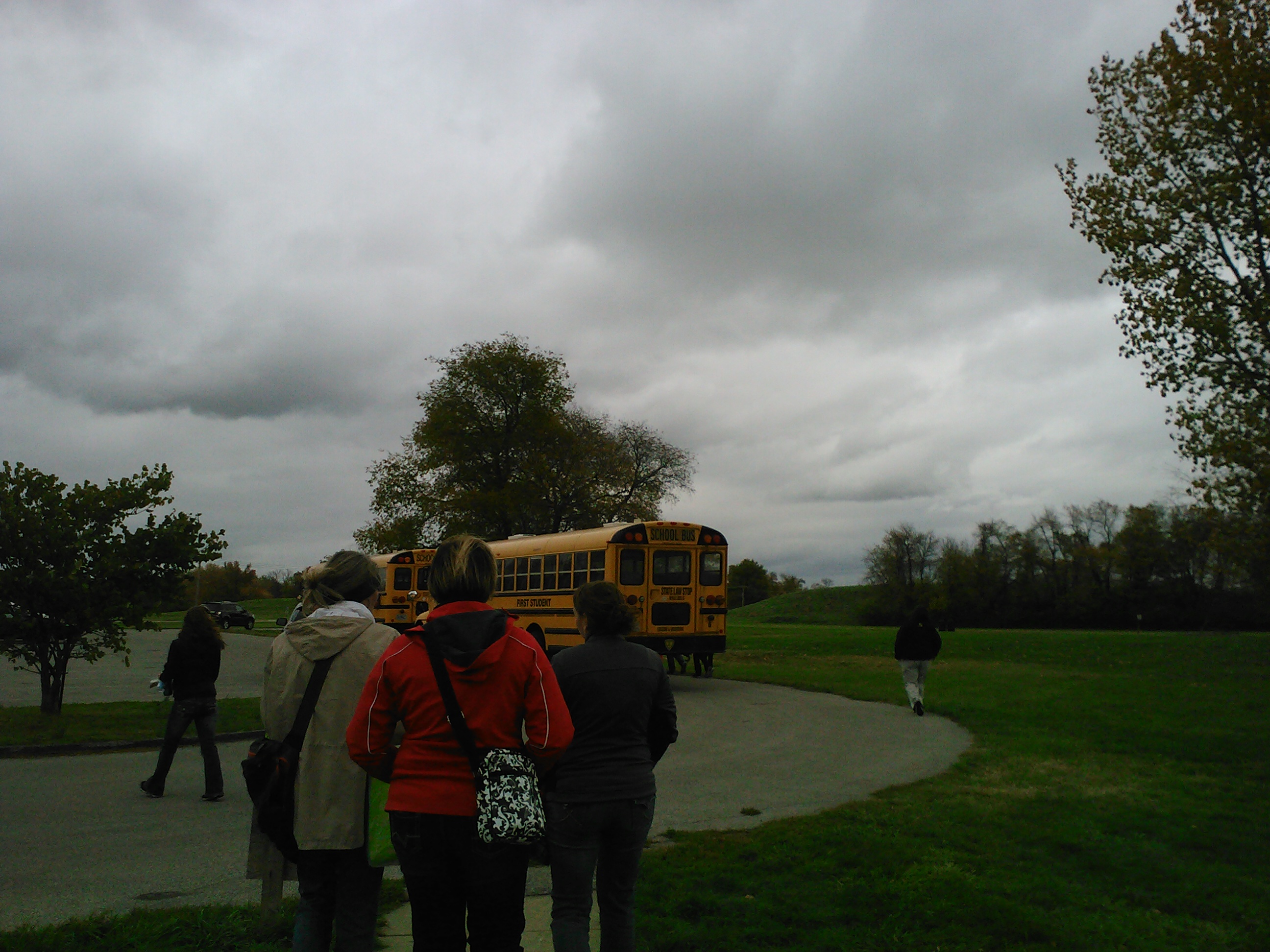
This must be our bus–it’s #202! That’s the same as our classroom! It seems that that number is everywhere lately. It was the room number in two of the last chapter books we read, and now on our bus. Funny.

Getting on the bus. Jack’s excited, can you tell?

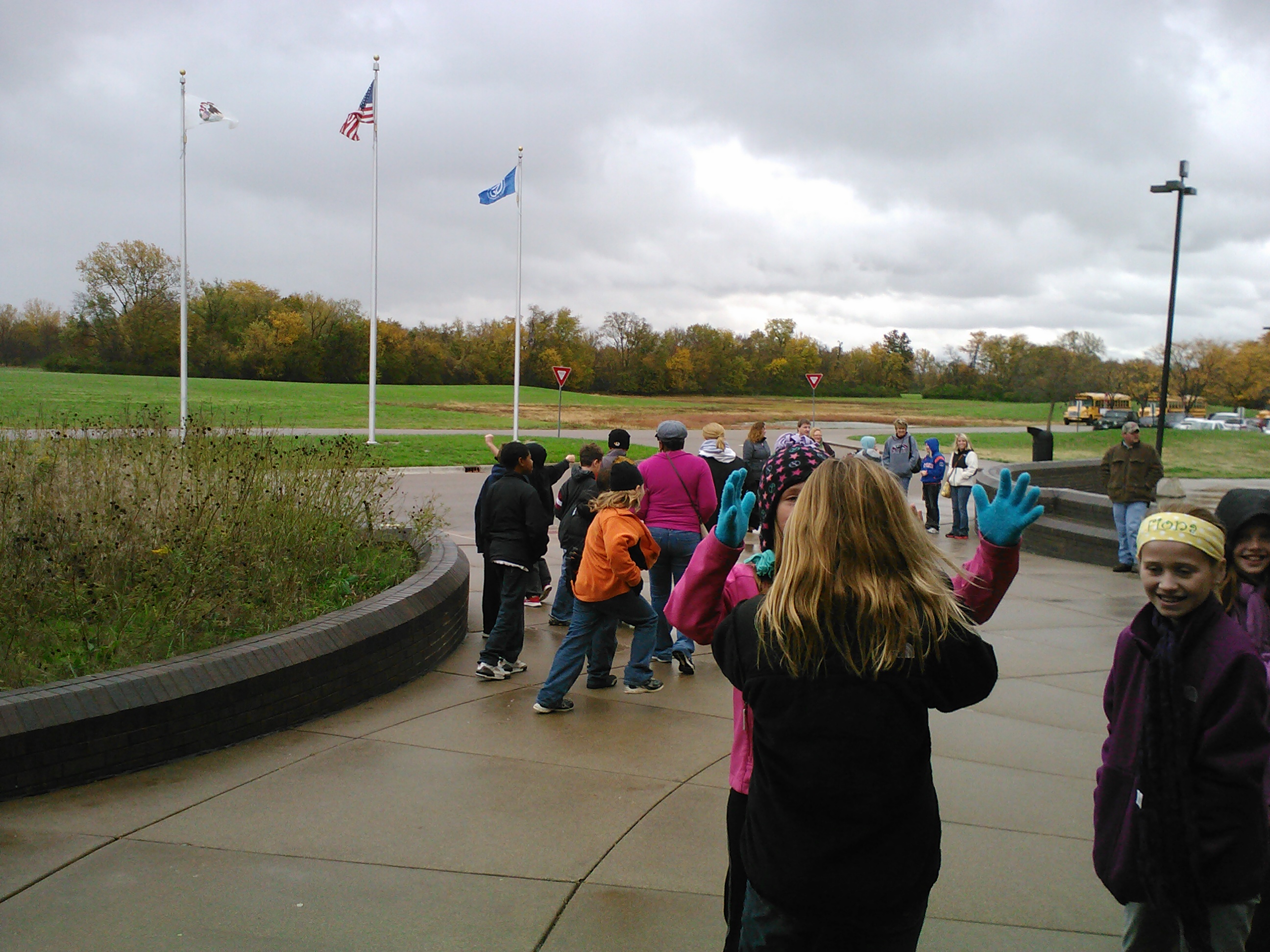
We arrive at Cahokia! The weather ended up being about 50 degrees, windy and rainy. Not what we had expected earlier in the week, but we survived. At least it wasn’t 90 degrees outside–which it very well could have been! This was better, even if we were a bit chilly and wet.

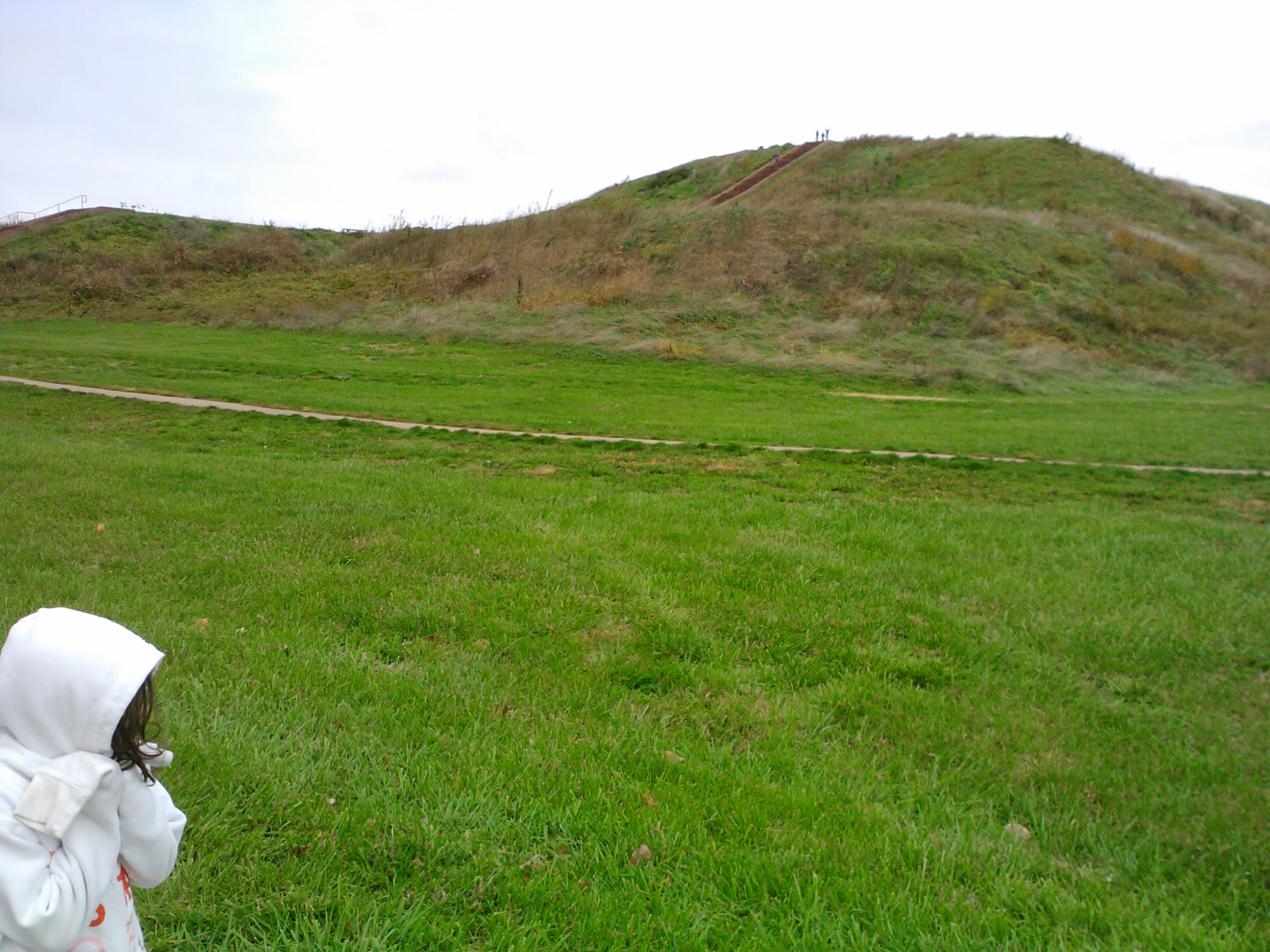
See that? It’s Monk’s Mound! We learned all about it during our study, and now we were going to be able to climb to the top! Talk about history in action!

View from the top: way in the distance you can see the St. Louis Arch. Maybe. If you squint. I promise, it’s there.

Inside, at the interpretive center, there was a museum with many artifacts (or replicas of them) that we had talked about during our study. Again, how cool to see what we had read and talked about. Here are some examples of chunkey stones, which are from a game that the Cahokians played. Many chunkey stones were found in the graves of important people from their society.

How to Play Chunkey. In case you were wondering.

Model of an archeological dig

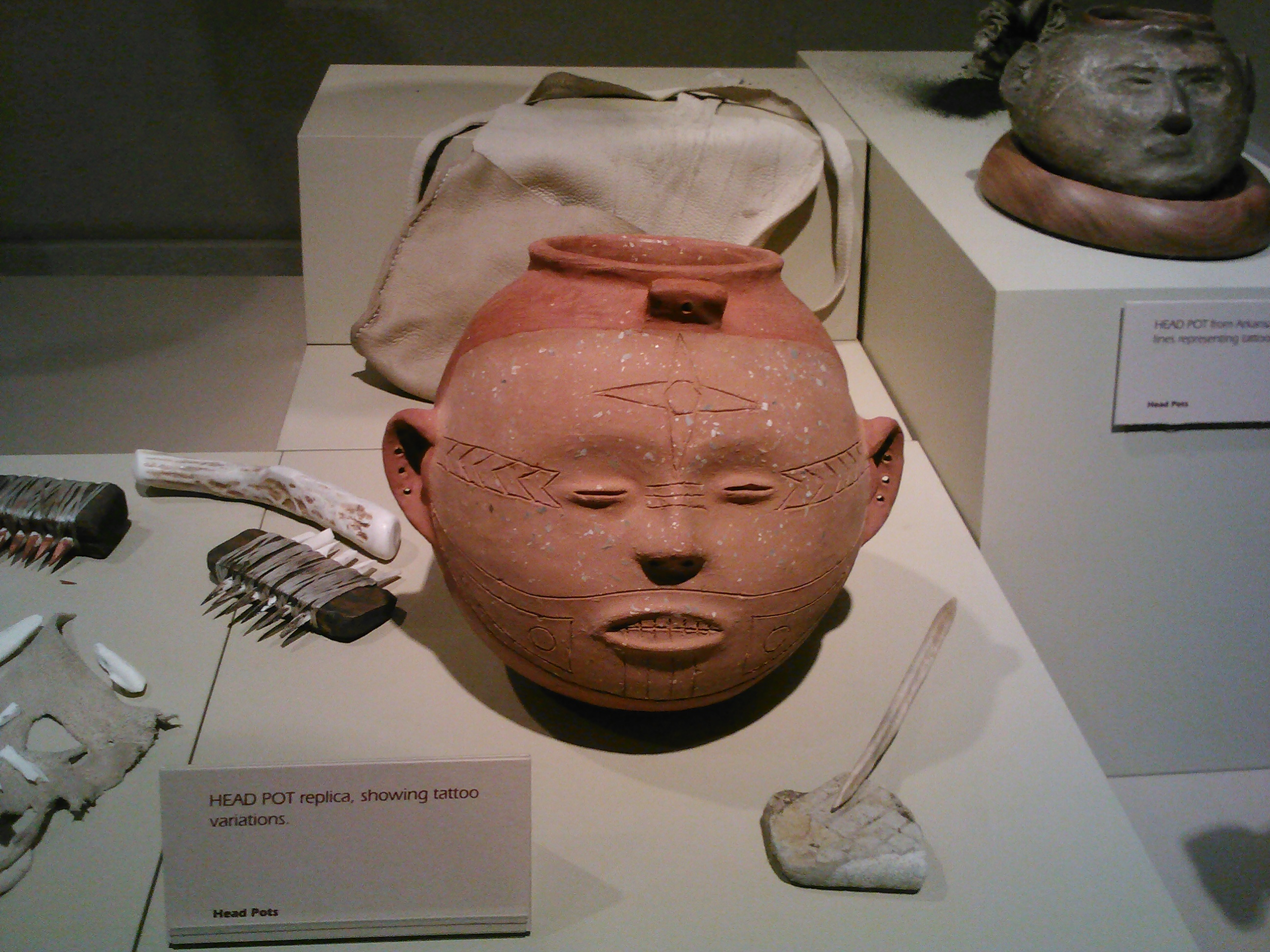
We studied this pot during our unit. It looks like an ordinary pot, but the fact that it has a face on it is important. This meant that they must have had time for art–to make things pretty, not just practical. This tied to the fact that the Cahokians must have had a surplus of food; hungry people don’t take time out for “extra” stuff like this.

Exhibit that showed all that the Cahokians farmed and grew in their city. Some of us were surprised that they were farmers. Many had the mental model that Native Americans were only hunters who ate buffalo.

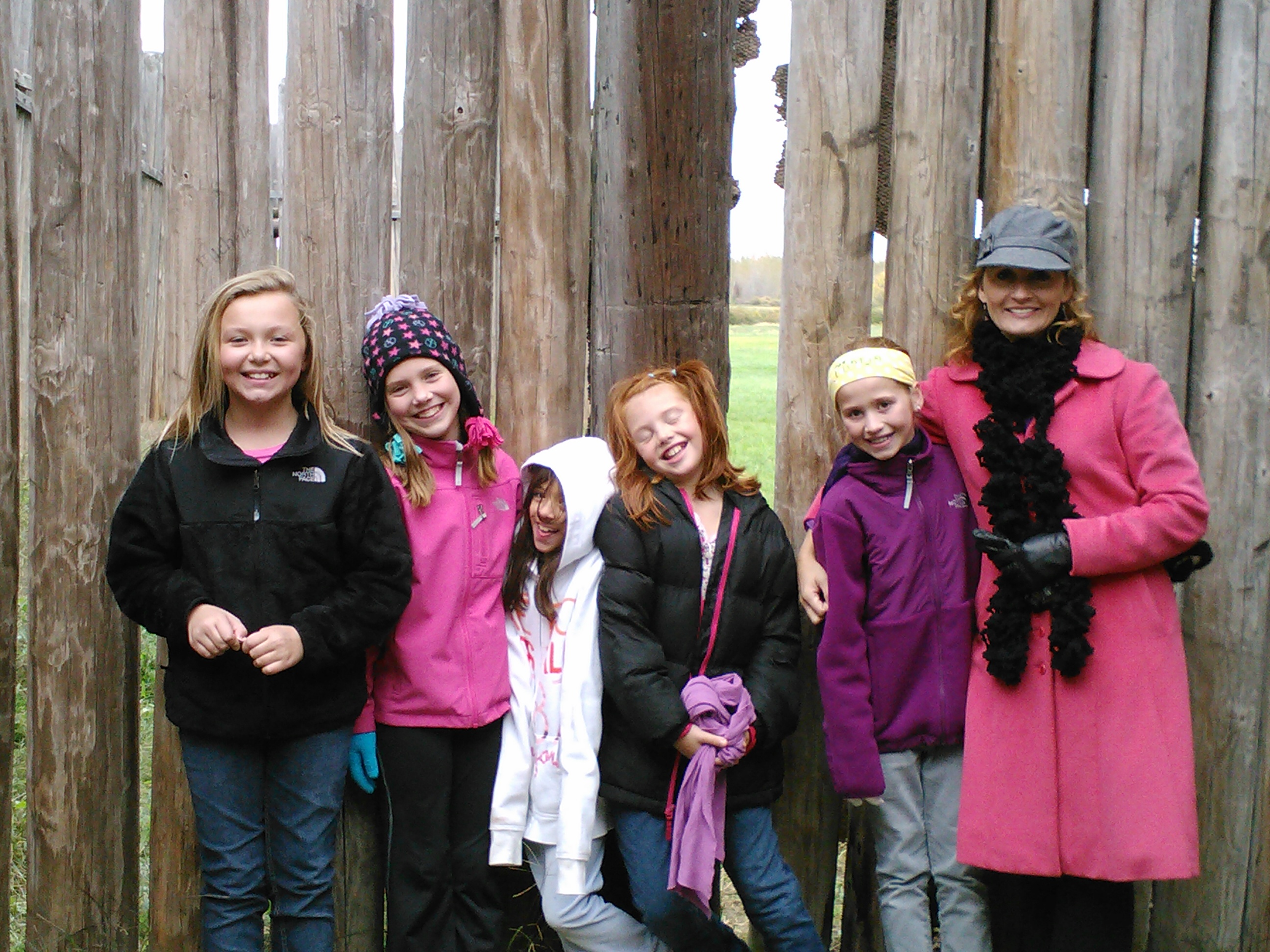
Mrs. McChesney’s group shot from the top of Monk’s Mound

Thanks, Mrs. Edwards, for being a chaperone! Your group had a great time, I’m sure.

Mrs. Cseri and her group outside. They look warm and cozy, don’t they, even though it was wet and chilly out there!

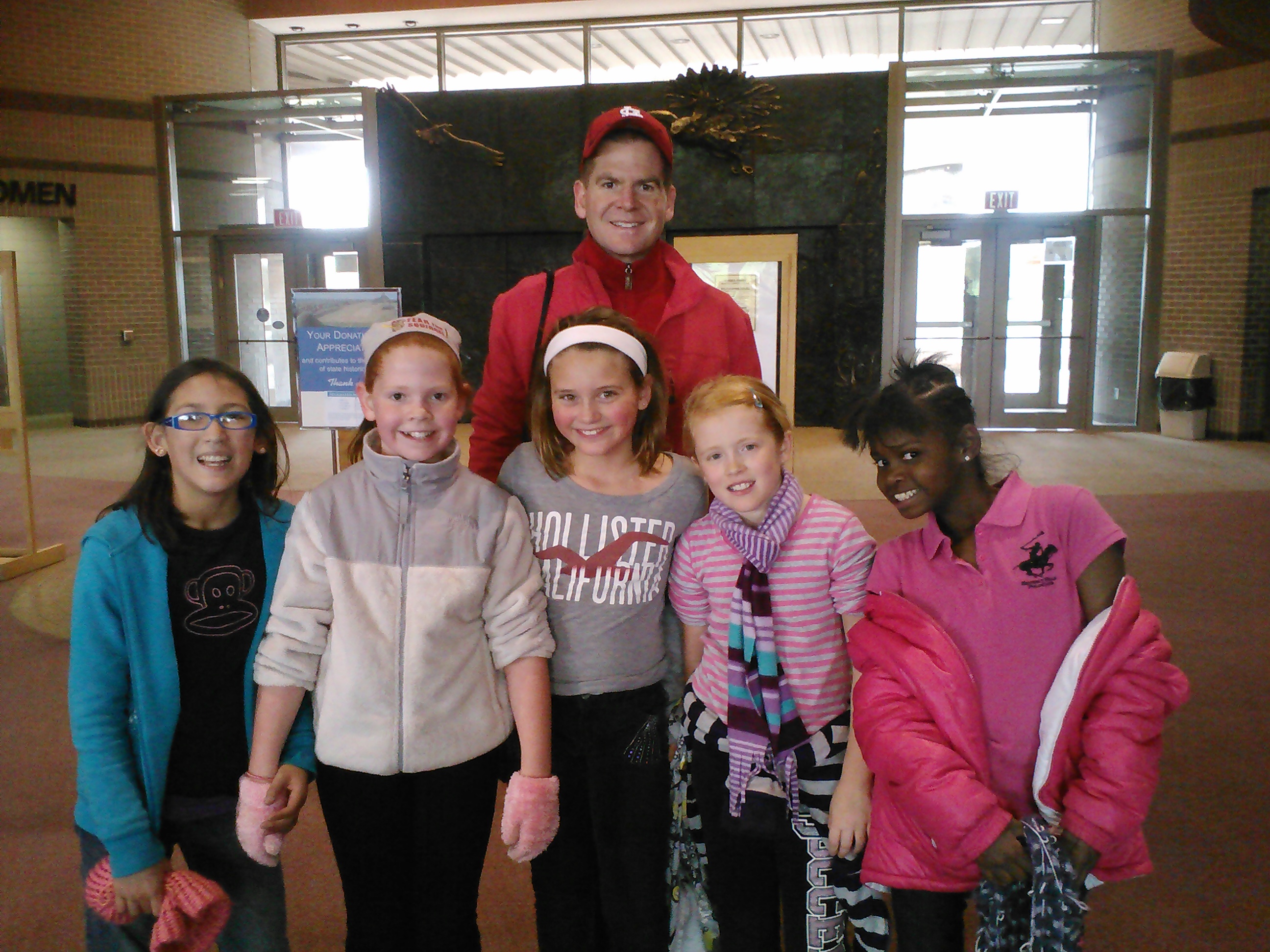
Mr. Browning with his group in the museum. Again–they look like they’re having a great time learning on this trip!

Before we went back to school, we had a picnic lunch. Yep, outside. In the wind and cold. These kids have never eaten so fast!

Headed back to the nice, warm bus. 🙂

Despite the less-than-perfect weather, we had a great day!  We’re lucky to be able to get to see examples of the things we read about in our books.  This personal experience made much of it make a lot more sense, and it is solidified for us, now.  Thanks to all the adults who made this day possible for us!

We had a great day at Cahokia.  Have you ever been there?  What did you like?  What did you learn?  What other field trips have you gone on?  Leave us a comment and tell us about it!

Mental Models and The Mississipians at Cahokia

Our first Social Studies unit of the year (well, the first “official” one after we set up our classroom community) was a doozey (is that how you spell that??).  Let me back up.  The theme for 5th grade SS is Three Worlds Meet, and so we study the Native Americans, Ancient West Africa and Medieval Europe, then look at how all of those cultures merged and became the Colonies.  The first unit, while being about Native Americans–specifically the Mississippians at Cahokia and the Iroquois–was also about bigger things related to mental models.

What are mental models, you ask?  Check out this example that we use to help explain them to kiddos (taken from the text we use during this unit):
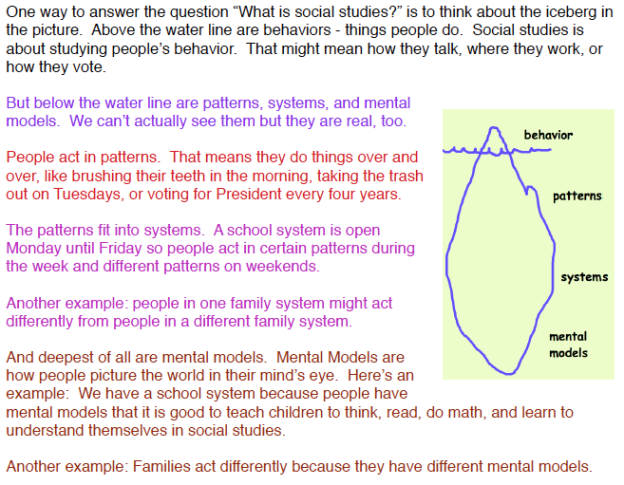
We begin by looking at the mental models that many kids have about Native Americans.  Many of these are things like that they live in tepees, they wear buffalo skin or feather headdresses, they are savage hunters and that they danced and chanted.  None of these mental models are wrong, so to speak, but as we go through the unit, we hope that by learning new things about specific groups of Native Americans, their mental models will be challenged.  And maybe changed because of their new knowledge.

We specifically study the Mississippians at Cahokia, or just Cahokians, because they are from an area very close to where we live in Missouri.  Cahokia, Illinois is just a hop, skip and a jump across the Mississippi River from the area that these kiddos know so well. For that reason, they are more easily able to make connections and inferences about how the Cahokians may have lived–and they realize that in many ways these people are more similar to them than they are different.

I mentioned before that there is a text we use, which is broken down into the five disciplines of Social Studies (history, economics, geography, culture and civics) and these disciplines provide the framework for all of the conversations and activities that we do during this unit.  First we learn what each of those are generally, then are able to zoom in on them more specifically to Cahokia (and later to the Iroquois, but I’ll tell about that in a later post).

Before we jump into our text, however, we have a lesson about figuring out the difference between important and interesting when you’re reading, so you know which parts to pay most attention to as a reader and learner.  We discovered that it all looks important, until we look more closely at the purpose of why we’re reading.  For example, if we are reading to find the answer to a certain question, then the only important things are the ones related to answering that question–all the rest is just interesting for now.  If we are reading just to find out about economics, then only the ideas related to economics (not history, culture or any of the other groups) are important for now.  As we also discovered, what’s important changes based on your goal.

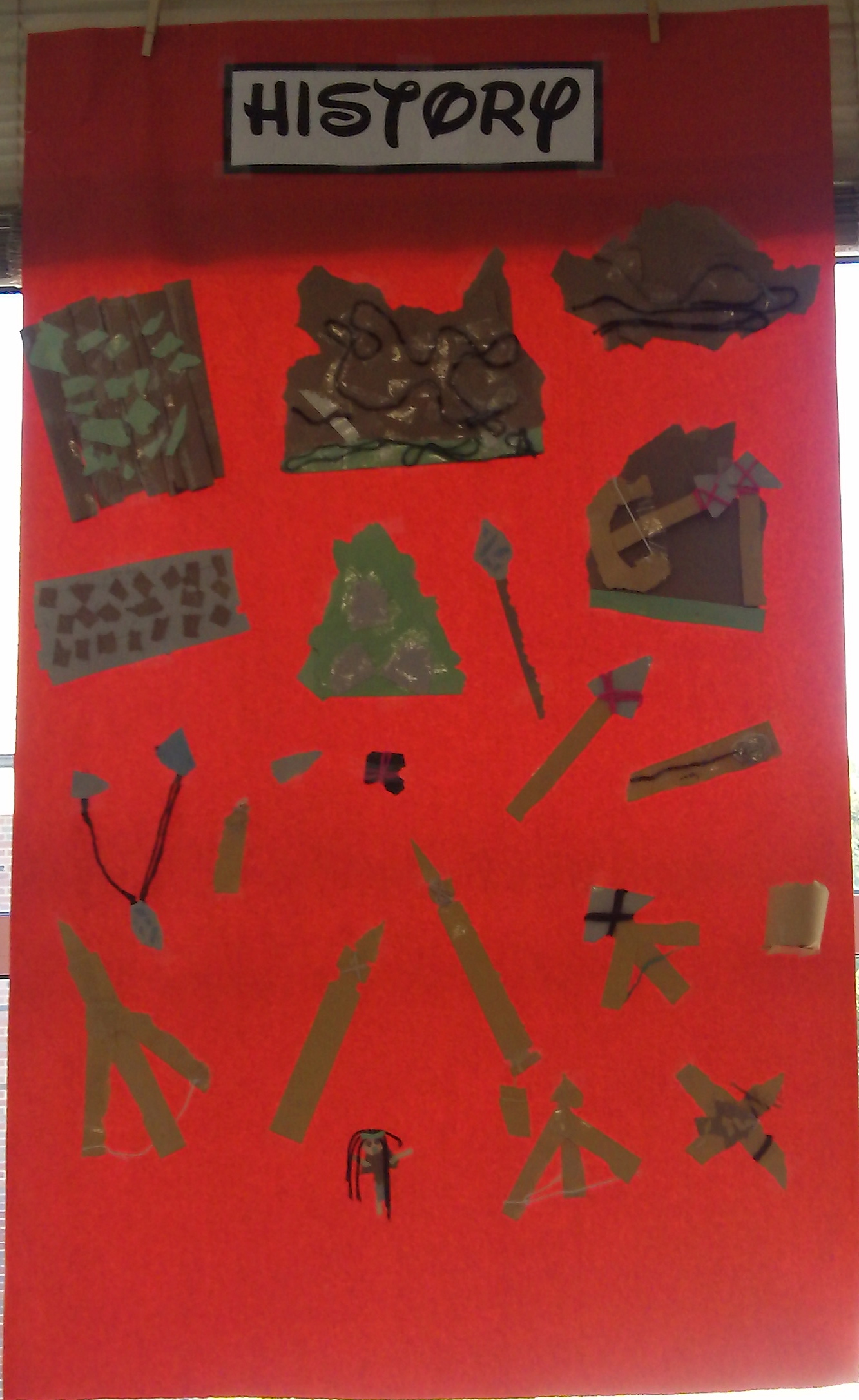
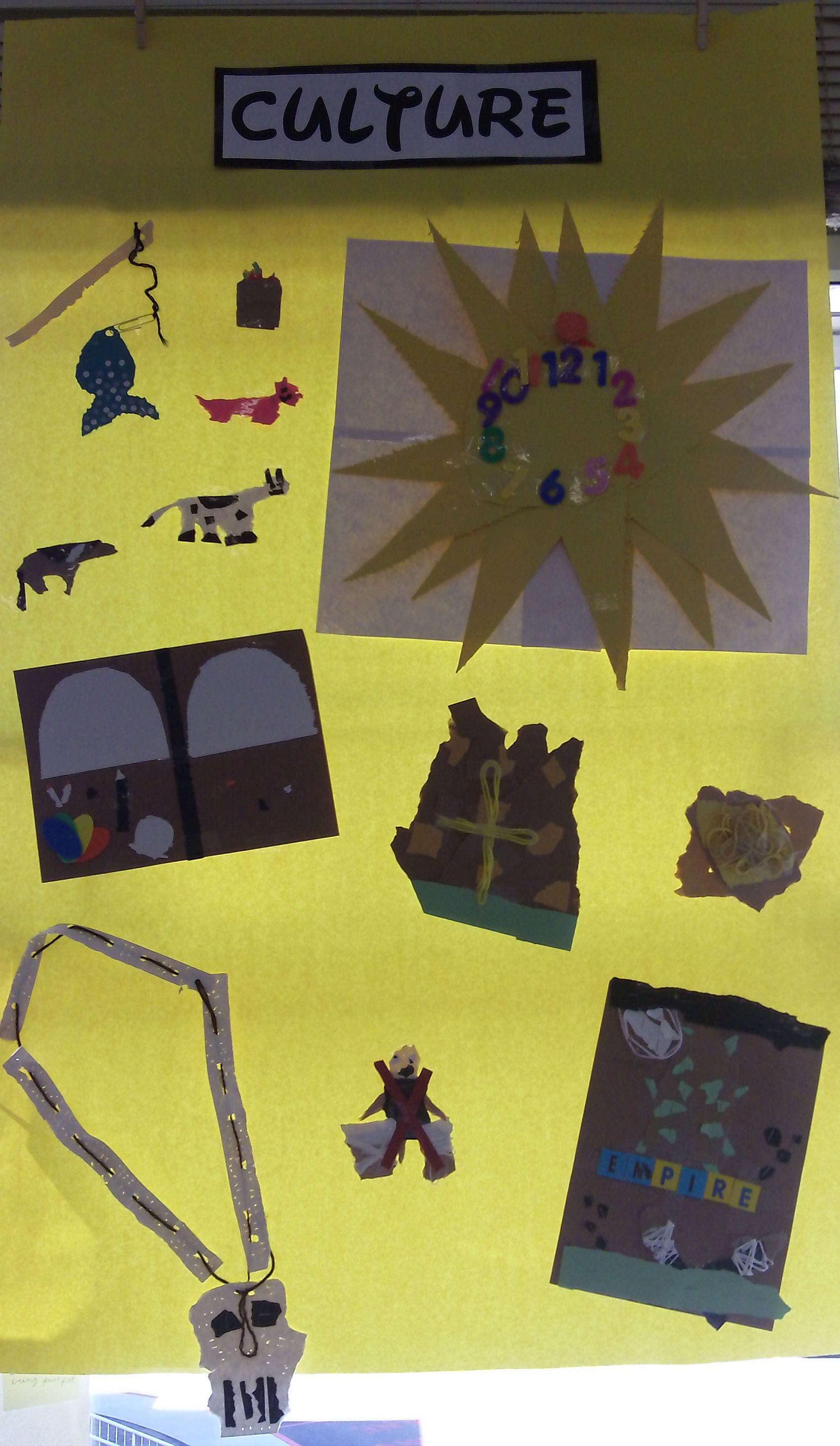
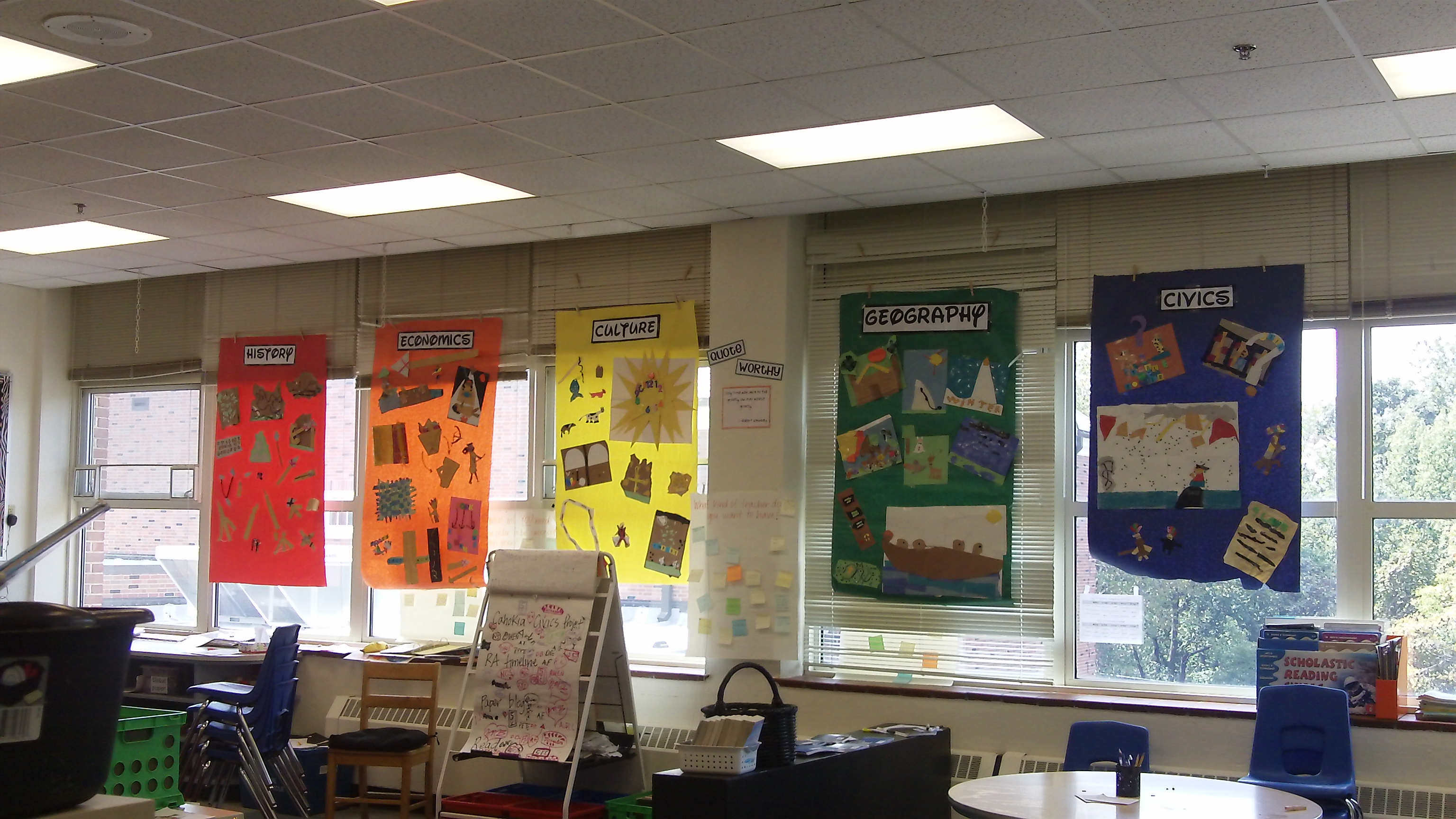
Ok, now that we know how to pick out the parts we need to remember, we got busy into the real work of this unit.  In short, for every discipline, we read a section of the text and underlined what was important, then made a class list of those key ideas.  After that, we created big window-sized posters with representations we made to show each of the big ideas.

Nice, right?  An art project to help us remember what we read about.  Fun, too.  Yes, but it’s not that simple.  There are very specific rules about how you are to go about creating your representation:

1. You may use paper and anything that holds paper together (i.e. paper clips, tape, glue, glue sticks, etc.).

2. You may not use scissors.

3. You may not use any writing utensils.

What was once just a simple show-me-what-you-remember-from-what-you-just-read type activity is now a challenge to think outside the box, to be creative, to solve problems.  So I was all the more impressed with what they came up with, the quality of their images, and the creative ways that they figured out to get their job done–like using the edge of a ruler or a paper clip to score paper so you can tear it neatly in the shape you want it, rather than cutting.  Or using the punched-out pieces from a hole punch together to create a picture.  Amazing, really.

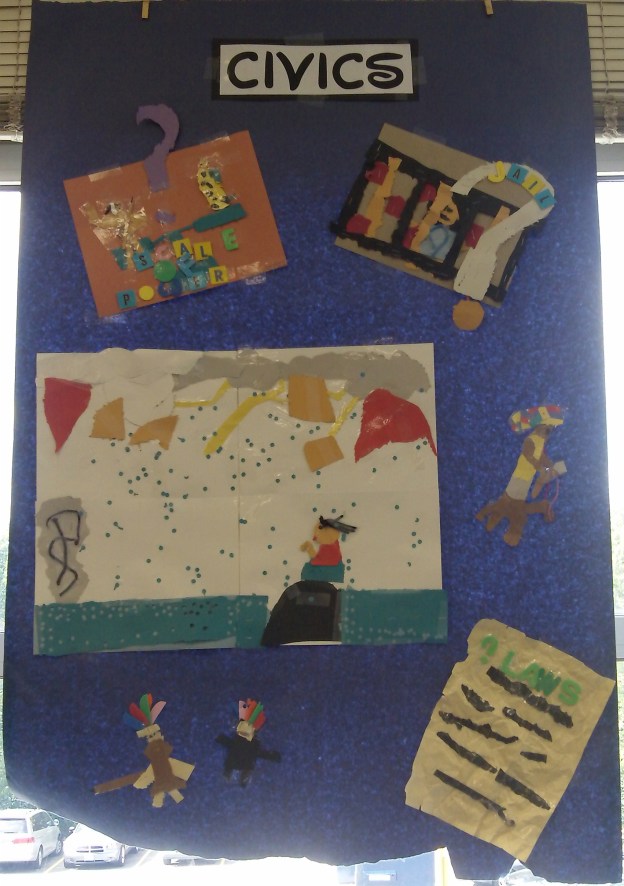
Here’s what our posters look like once we were finished–which really took us about 6-7 school days to accomplish:
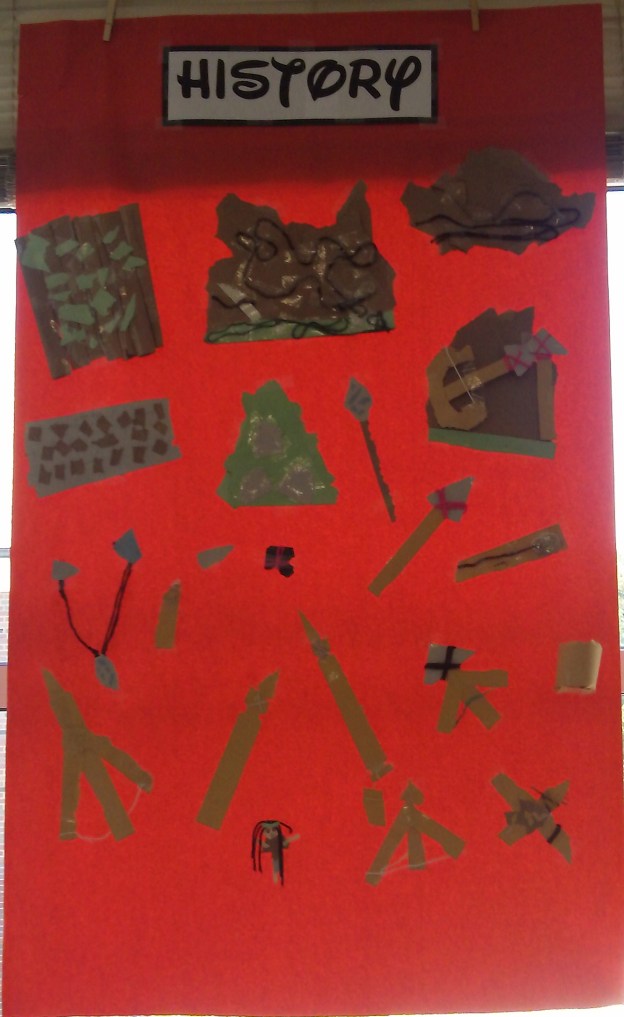


Besides the fact that these hold a lot of information and show what we’ve learned about what’s important about the Cahokians, I love how they look hanging on the windows:

As we were working on these projects, it was so great to see the group/partner work that was taking place, the problems that were being solved as they created their pieces, and the smiles on their faces as they worked.  I was so glad at how many kiddos voiced to me how much they loved doing this because it was “so different from anything I’ve ever done before.”  They told me how the rule of not using scissors and pencils “made their brains think in a new way and challenged me in a new way.”  Gotta love it when kiddos say those things out loud!  It’s exactly what I had hoped was happening.

On a side note, these posters hung in our room throughout the whole Cahokia unit, and we came back to them time after time, as we made connections between different aspects of Cahokia, our own lives, and then as we moved into learning about the Iroquois.  I’m actually going to be sad later this week when they have to come down to make room for other things. 😦


Geocaching!

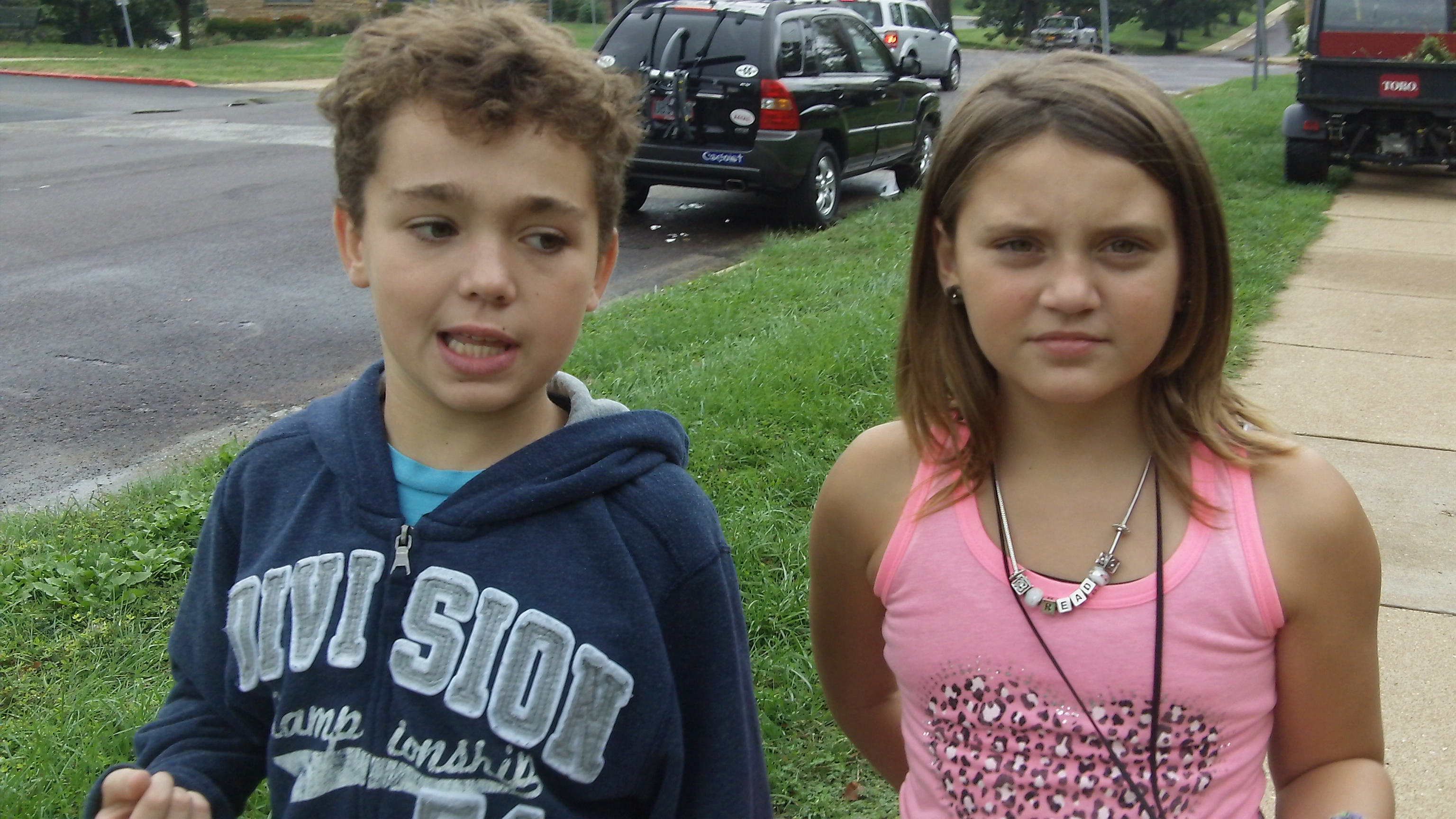
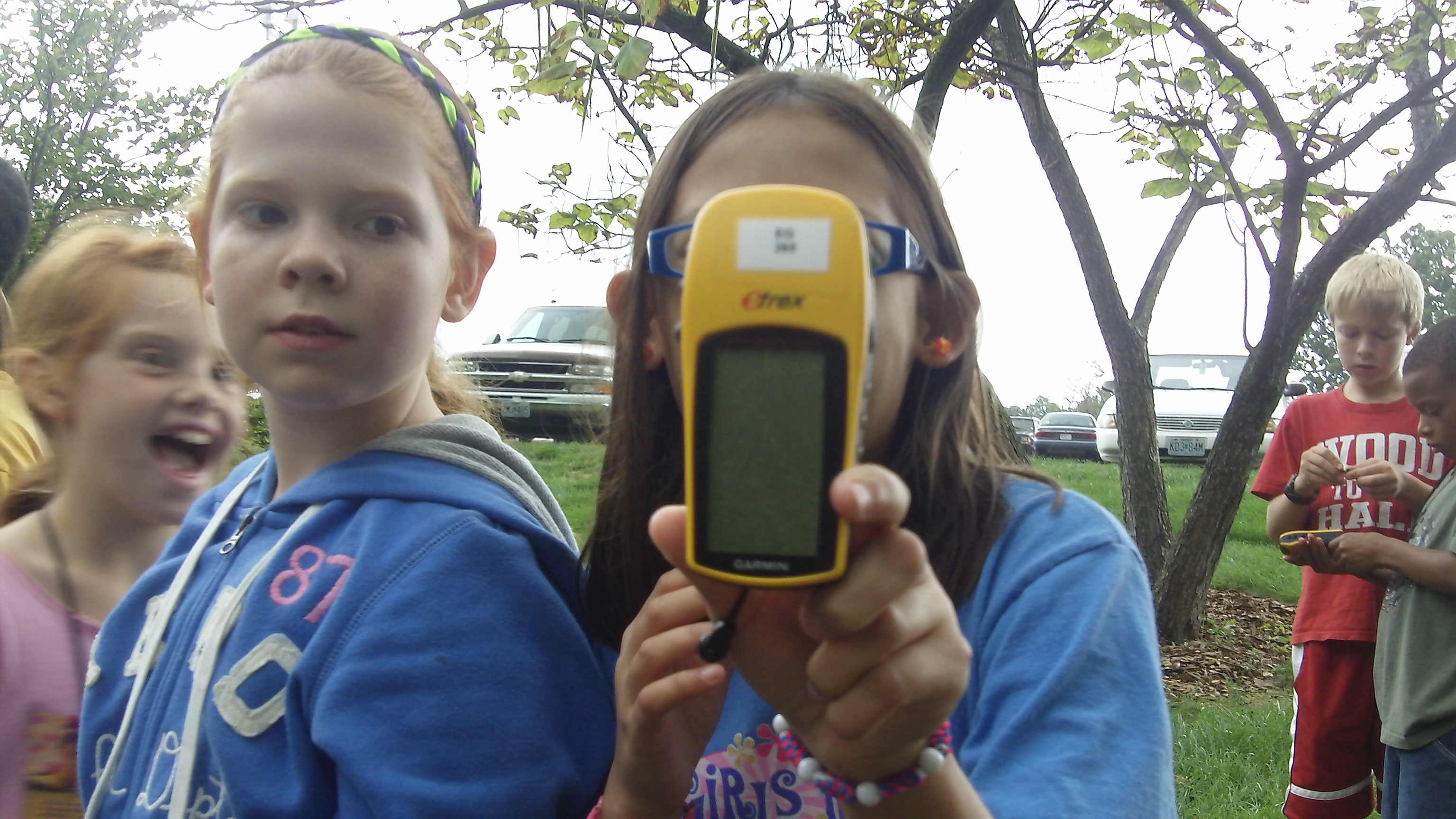
Today our class went geocaching!

First we had a reminder lesson about latitude and longitude, and a how-to with the GPS devices.  Oh, and we talked about what GPS was, too. 🙂  We needed our plan and our GPS devices:


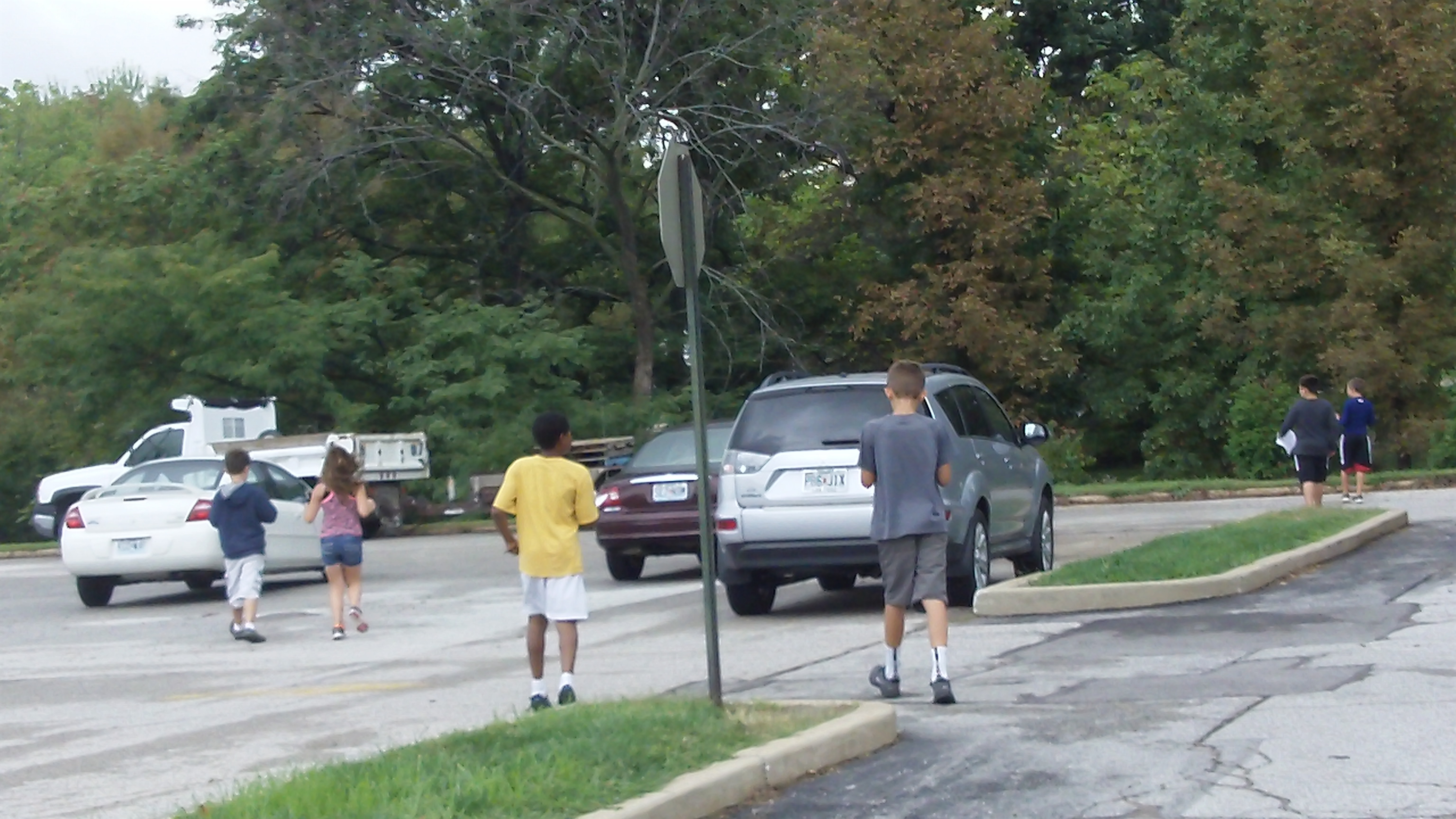
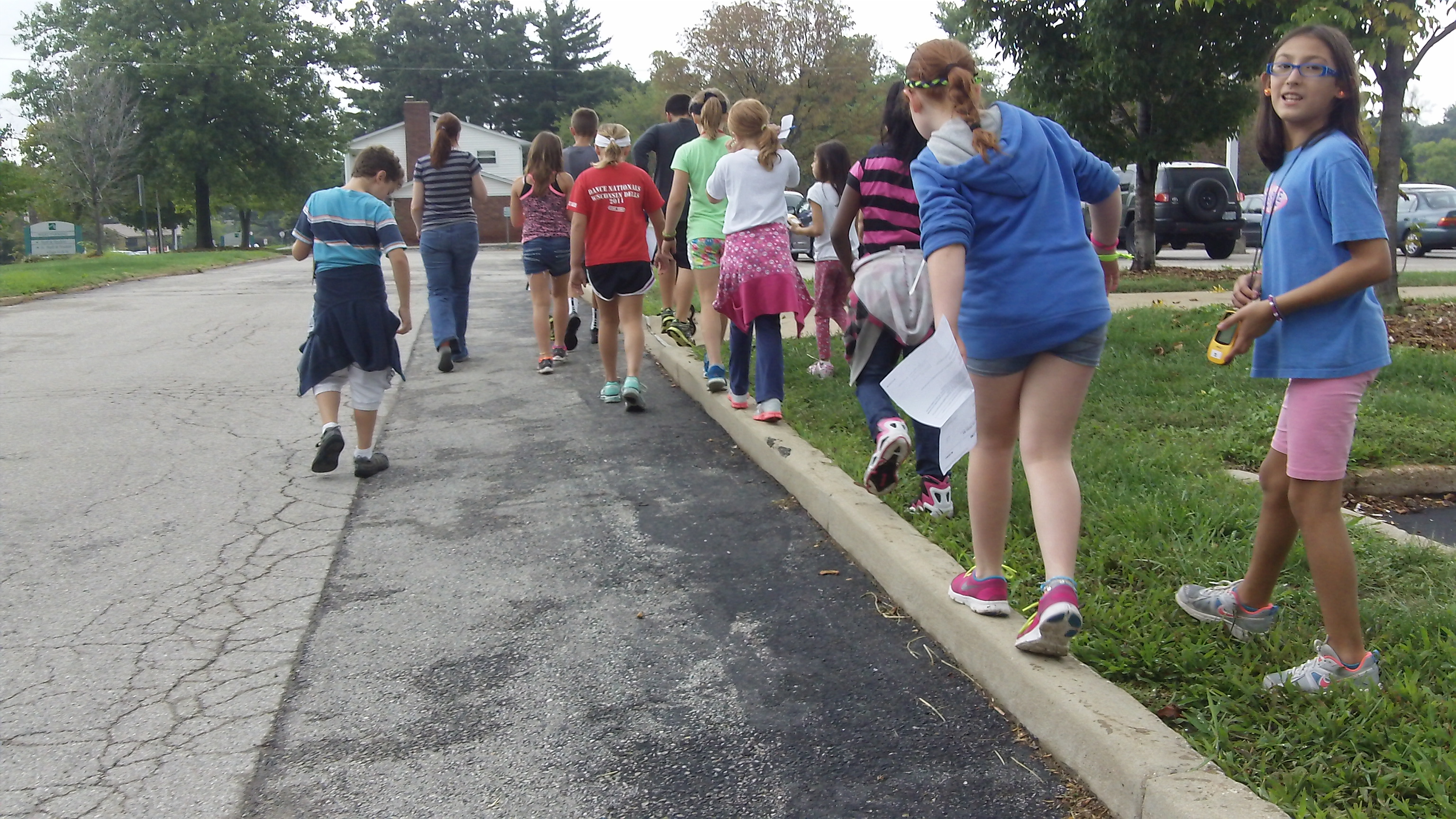
Then we were off!  And how lucky we were they today’s weather broke just before we were scheduled to go outside on our hunt.  We’d been watching it rain all morning out our windows, but it was reasonably dry by 1:00.  Yay!


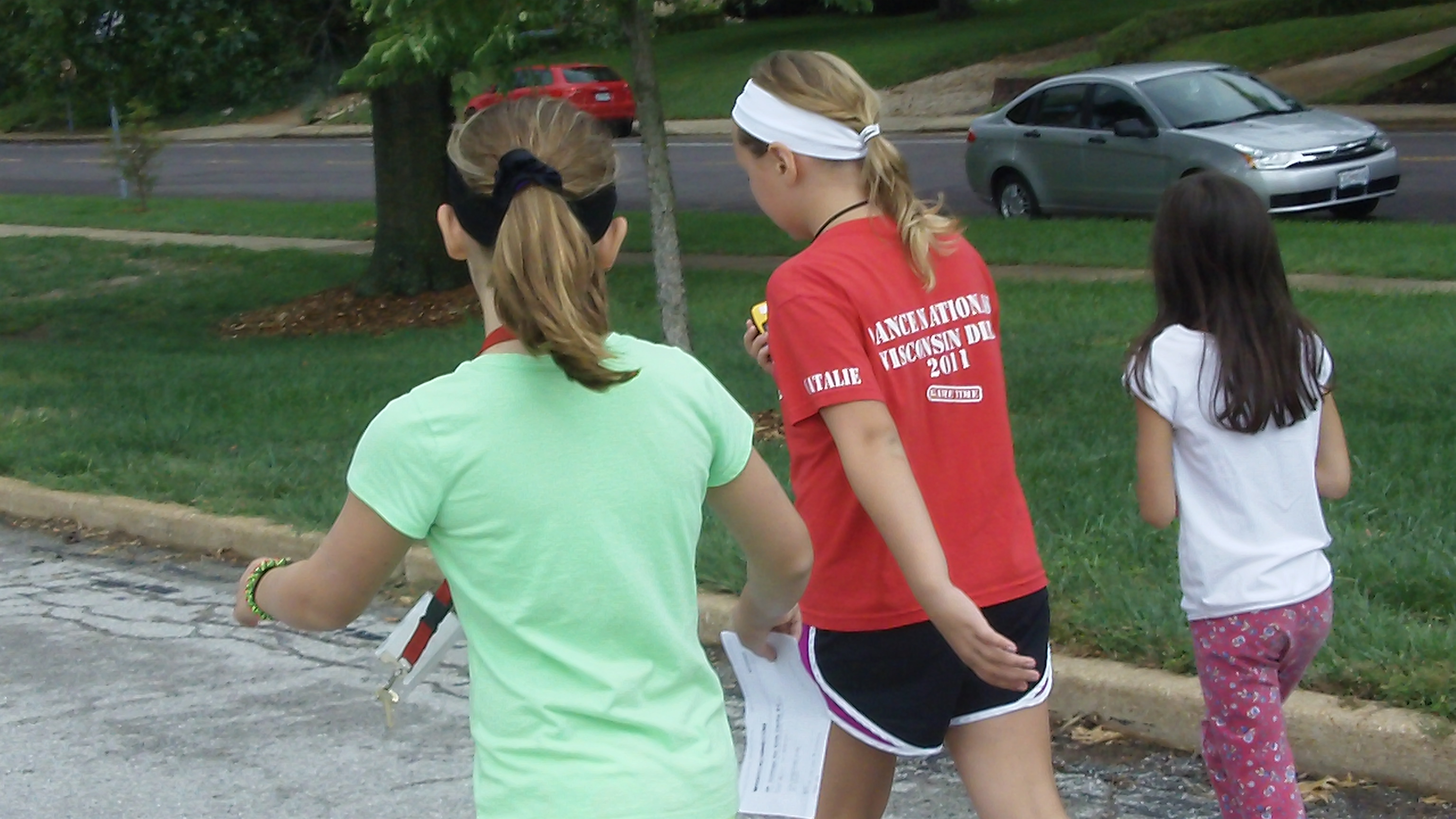
The cache we were looking for was hidden across the street from our school at Meramec Community College and was put there by a College for Kids class that learned about geocaching a couple of years ago.  We went walking in that direction, checking our GPS’s as we went.


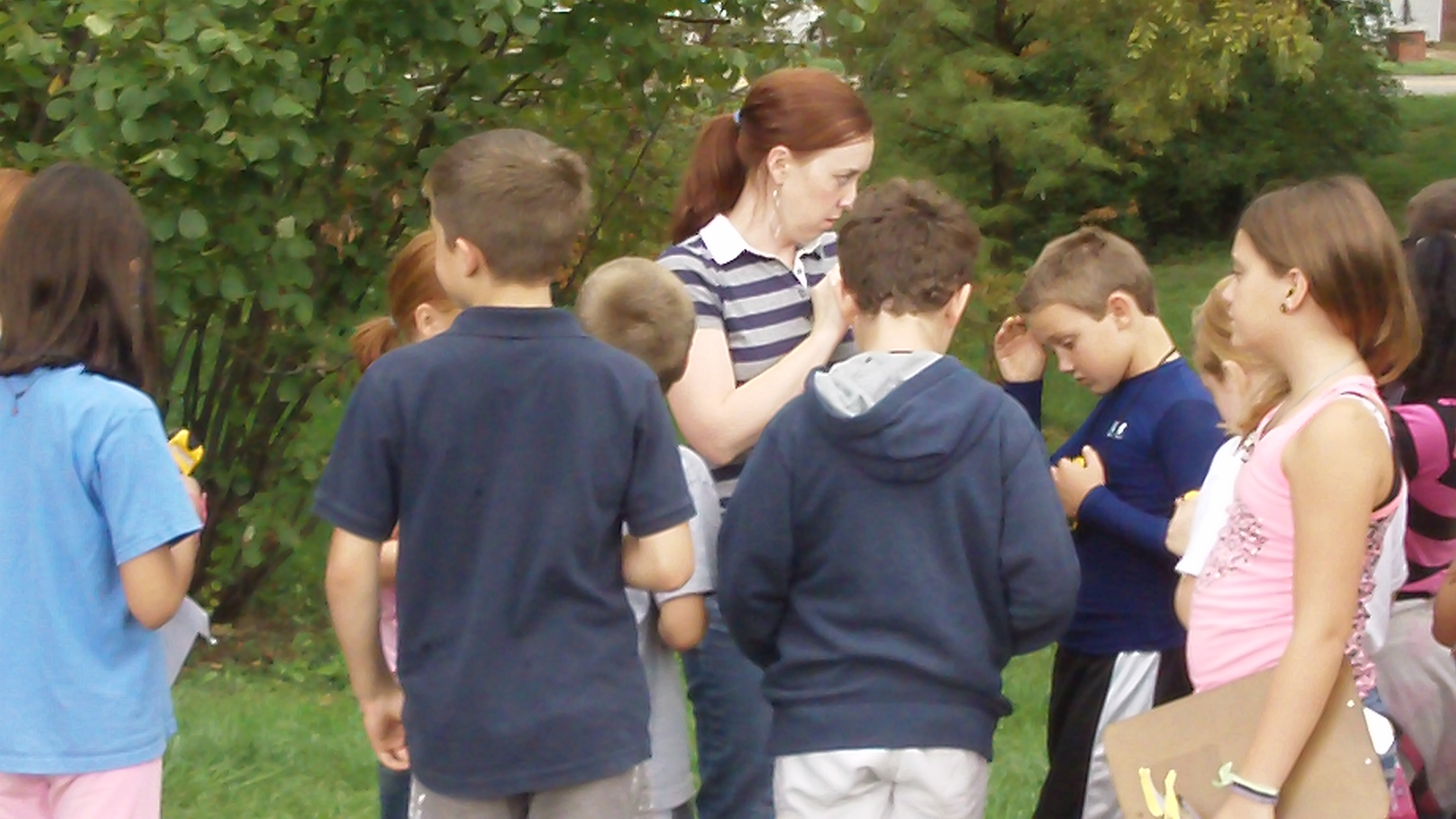
Then we new we were getting close when lots of kiddos started to gather around this tree.  Their directions were to just stand there if they thought they found it–rather than yelling and screaming and spoiling it for everyone else.


Then…

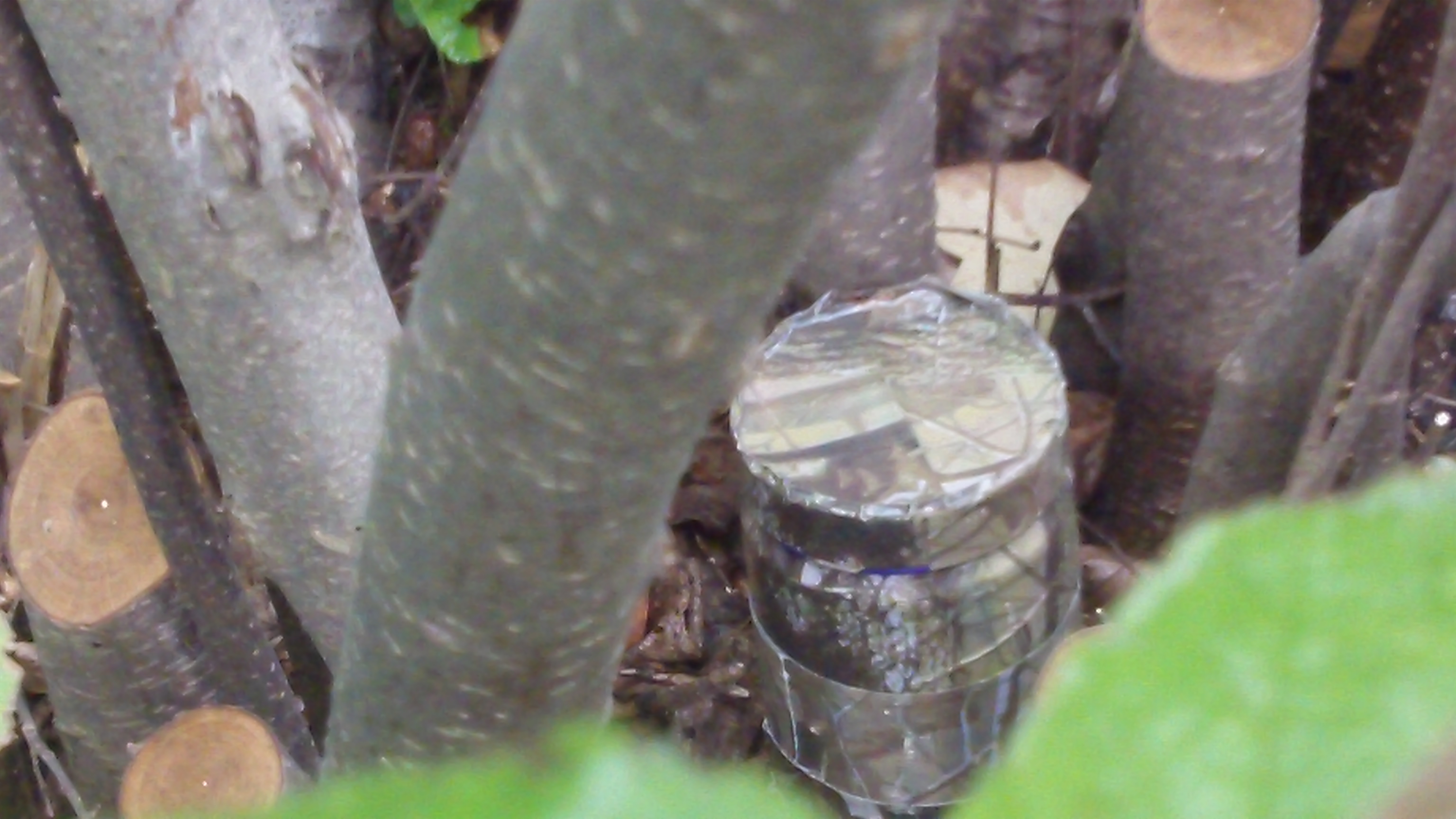
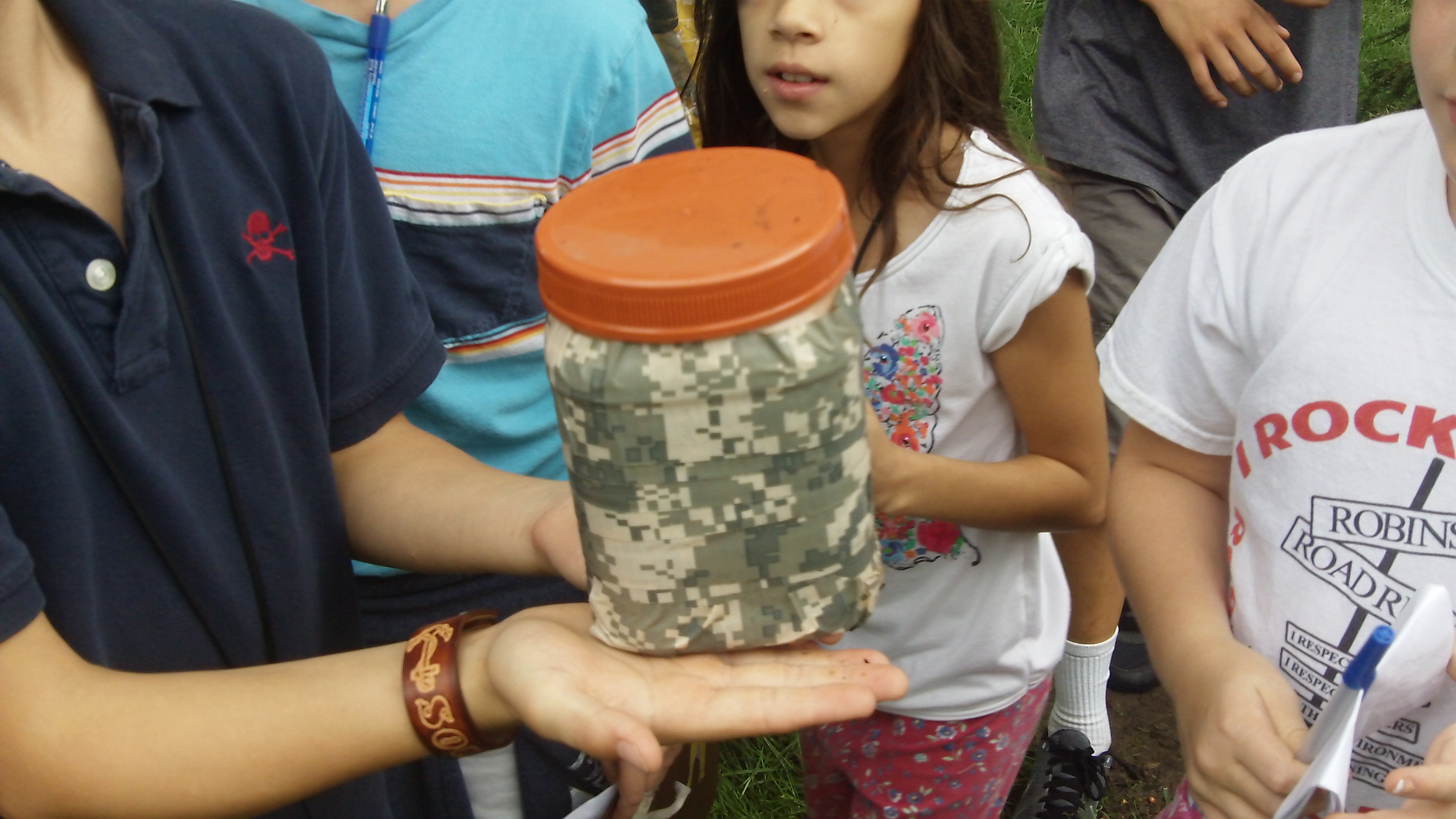
We found it!!  Can you see it there?  Even though we didn’t need it, there was a clue on the directions to help if you got stuck.  The clue was: the container is a camouflaged plastic jar.


Now, to open it!

Yeah, I know–horrible picture! But inside we found a log book, directions and an explanation, and lots of little trinkets that other geocachers had left before us.  We signed the log book, and I showed them all the other goodies that were inside.


We logged in: 9/17/12 Robinson 5th Grade 2012.  We saw that lots of other people had been there since the cache made in 2010.  One entry was from the  Trailblazers group at our school on June 29, 2011, and one was even Anna’s family!  I took a picture of the log book to prove it, but alas, it was blurry, too.  Believe me, her dad signed it with song lyrics! 🙂

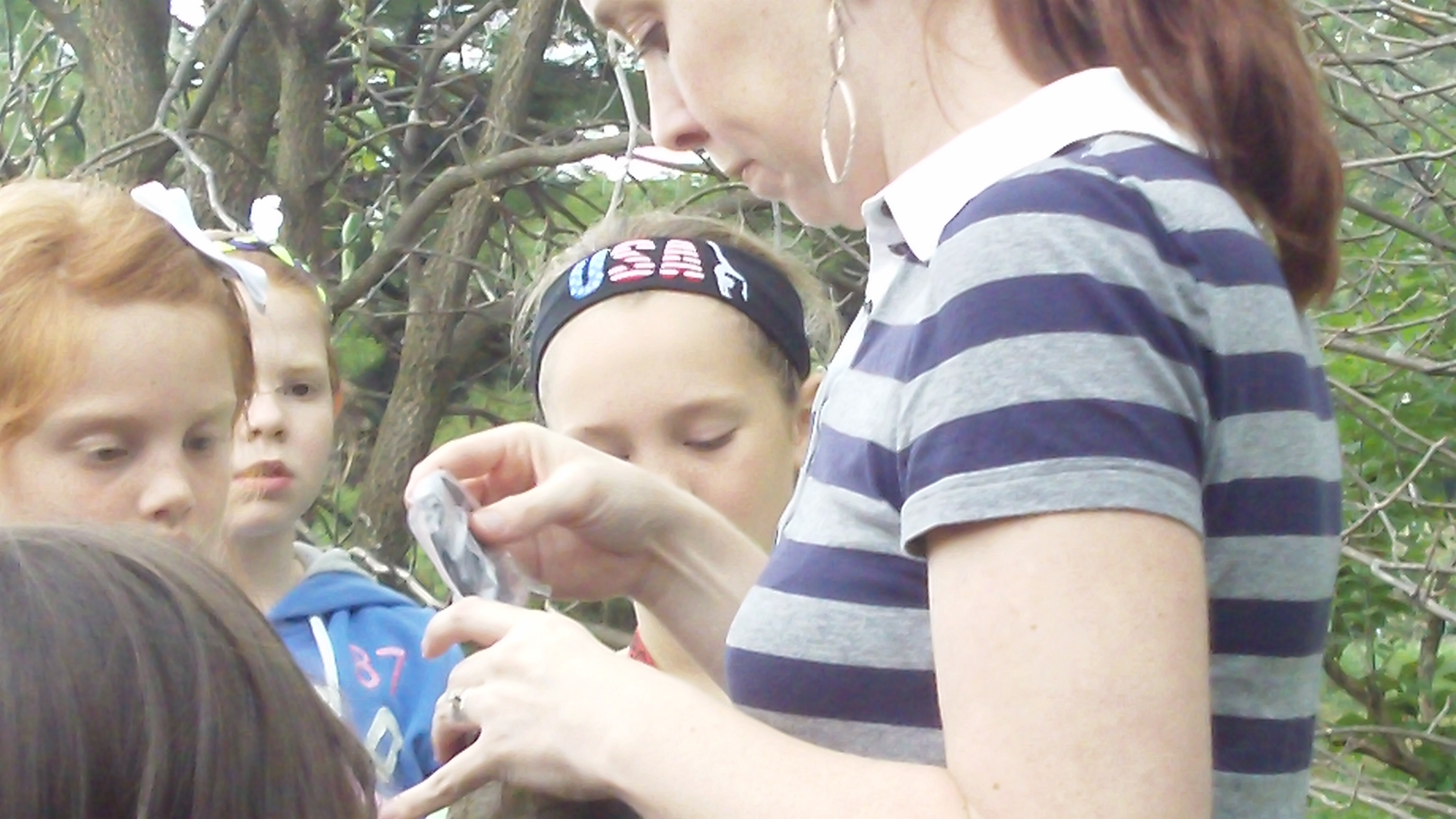
I know–corny pic, right?  This one was a card that the person made solely for the purpose of using it to geocache.  He was San Diego, CA!  All the way to that geocache in Missouri.  Very cool.
So after we found this one, Keelan and I took the class to the geocache that Trailblazers (a science/technology club that our librarian, Mrs. Meihaus, and I let the last two years) had created and placed.  We were originally going to hunt for that cache, but we couldn’t find it when we searched for it online. BUMMER!  We took them there and found another huge bummer.

Looked great on the outside, but the bummer was what we found on the inside of our cache:

Half of the things we put in there were gone, and it was all wet and moldy!  YUCK!  This will definitely take some tender-loving-care to get back to the state it was in when we hid it last year.  Boo. 😦


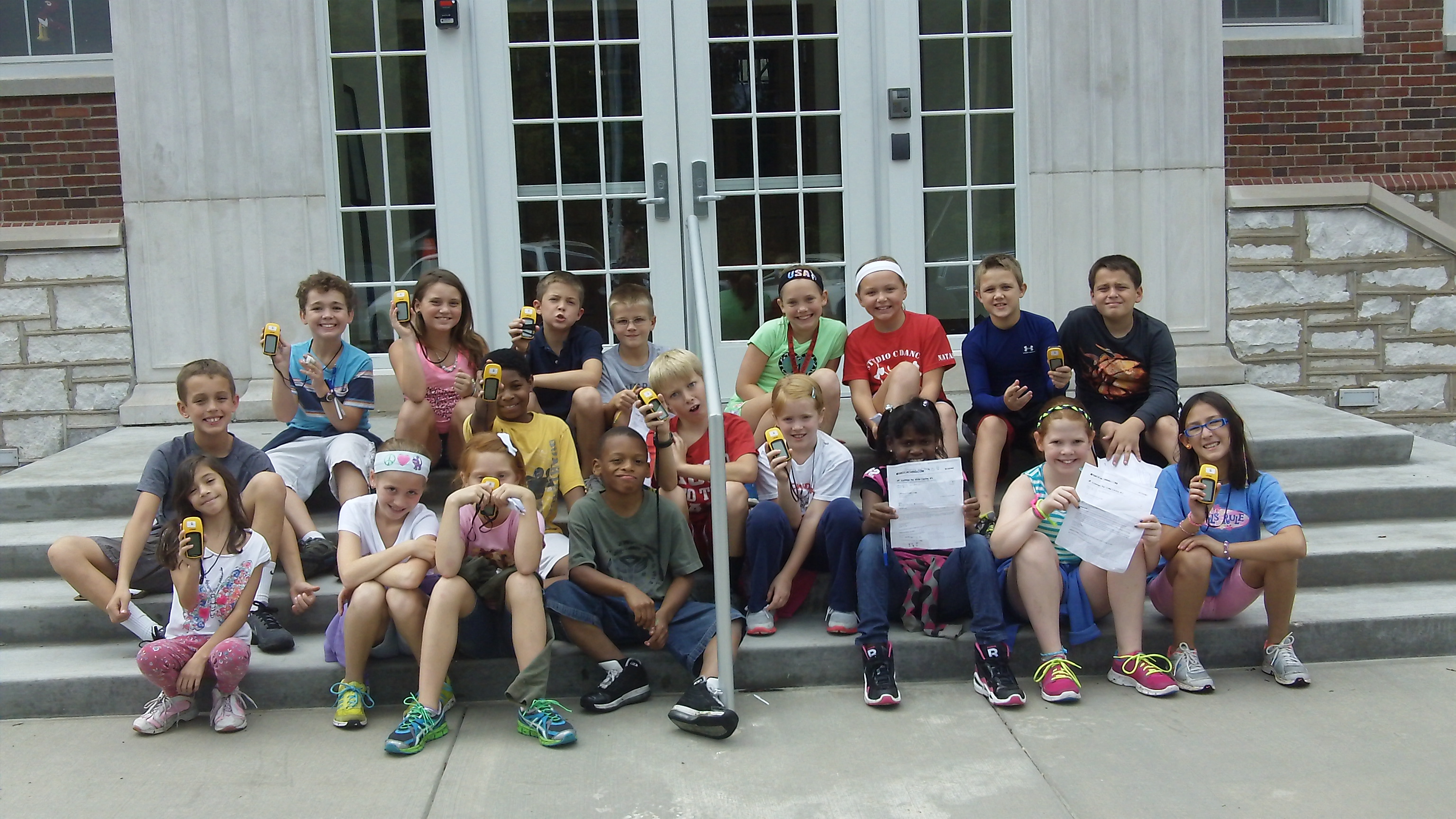
Ok, now a few more fun pics that were taken when I gave Fiona the camera, and a group shot.

Say cheese!


What a great afternoon of geocaching fun with friends! I know I wish I learned about geography like this when I was a kid. 🙂

Have you ever been geocaching before?  Do you have any suggestions for any good caches we could find? Tell us your stories!

Don’t Steal the Struggle

I’m not even sure who said it,  but I know I first heard talk of it this summer when I was working with other teachers in my district.

 
First a little background: In light of the new Common Core State Standards, which are changing the expectations for teachers and students, our school district is reweaving our curriculum to match up with CCSS.  The best part of this whole deal is that teachers are at the heart of the work.  We spent four really intense days this summer learning and writing together, and then all this year a smaller group of us will continue that really great thinking to complete the documents for English/Language Arts (ELA) and Math.

Ok, so during our work this summer, a phrase was floating around that said: “Don’t steal the struggle.”  From the second I heard it, I knew it was something I’d be on board with. It’s actually something I’ve always felt really strongly about as an educator, but now I had better words for how to describe it–both for myself and to my families.

Then I had a situation within my own life happen last week that really highlighted the importance of this phrase for me.  And I’ll warn you ahead of time, that it’s an example I share as the “what not to do in this situation.”  I’m taking a class right now, and had an assignment due on Wednesday for the discussion forum for class.  I, unfortunately, had waited until late to do it, and so was in a little bit of a time crunch.  Last week was nuts at school with lots of meetings and conferences on Thursday night, so I had a lot on my mind (i.e. I was a little stressed out already!).

I sat for close to an hour drafting my answer to the discussion question (which was related to whether or not there is a paradigm shift in education from information acquisition to knowledge creation in American education), and was ready to post it.  And then–yes, you guessed it–when I hit POST, I got a weird ACCESS DENIED error message and everything I had worked on was gone.  Gone.  And no, I had not saved along the way.

So obviously there are probably other lessons to learn here besides the one I’m going to tell you, but this next part was the one I shared with my class related to struggles.   Unfortunately, my first reaction after that little bump in the road was to cry.  It’s kind of how I roll.  When I am dealing with something stressful, first I cry, then I write (usually in my own Writer’s Notebook, so I can figure out my feelings) and then I can figure out a way to deal with said frustration.  So here I cried.  Then I wrote–which was some rambling email to my teacher about what had happened and how I hoped she’d show a little grace when she graded my discussion post this week–and then I was able to think about what I should do next.  Pretty much I had two choices:  1) I could just quit, and not turn in a discussion answer this week (which would have several negative consequences) or 2) I could start over.  Well, needless to say, I chose option #2, and reluctantly started over with my answer.  Luckily, I remembered more of it than I first thought I would, and honestly I think the second version was actually a little better.

Ok, so what’s the connection to my classroom?  Well, go back to the “don’t steal the struggle” phrase from earlier.  The big idea there is that as an educator, I want to focus on not “rescuing” my students when things are hard.  Whether it’s in learning or something social or any other kind of problem they might have, it’s not in my students’ best interest if I swoop in and save the day every time they struggle.  I only teach them that things should always be easy, and that only an adult can solve problems for them.  That struggle is bad and that I’ll make it all better and fix it for them.

But of course that’s not true.  Some struggle is a good thing.  It’s during those feelings of disequilibrium, “pain” so to speak, when students are forced to figure things out for themselves.  To solve problems and use what they know to figure out what to do next.  And my students would tell you that they know that’s a really important thing to know how to do.  We had a discussion about this the other day and they had smart words about the topic.  They agreed that they wanted a chance to figure things out on their own first, knowing that I would support them as needed, but that I wanted them to try something first.  They knew that this was important because I’m not always going to be there.  Some day they’ll grow up will have to be able to know how to do that alone.  And several even mentioned the pride that comes with figuring out an answer for themselves.

My story was a picture of both what I hoped they didn’t do (just cry), but also what I hoped they would learn to do in a hard situation–figure out what to do to solve the problem.  Not quit.  Persevere.

So my new motto is Don’t Steal the Struggle.  It’s going to hang in my room for all to see, and to hold me accountable.  My kids understand it, and I think it’s vastly important as I help grow these learners into confident, capable citizens of tomorrow.  And like I tell them everyday, hard is good.  Hard is when we learn.


Intake Conferences

Last Thursday I was a learner.  Well, I hope that on most days I am learning, but specifically on Thursday I was learning–from the families in my class.  In the fall, instead of having our first set of conferences at the end of first quarter (to talk about the report card and student progress), we get together shortly after school starts for intake conferences.  The goal of these conversations is to get to know the families in our classrooms better, and to begin to set goals together for the students we share.

I LOVE these conversations, especially since I’ve had a little bit of time to get to know my students, as they give me so much more insight into what makes each kiddo “tick.”  As their parents describe them as kids and as learners, I listen to see if the child they are telling me about is the kiddo I see every day at school–you know, sometimes kids have their “school” selves and their “home” selves.  It’s great to hear about both sides.  That, after all, gives me the best picture of each kiddo, and helps me to know how best to meet their needs while I have them.

 
In order to give the parents a framework for the conversation, they are asked to prepare answers to these questions before they come to their child’s conference:

We sit together for 20 minutes and chat about the answers.  It’s a great time to connect positively, face-to-face with parents–who are, after all, the people who know their child the best, and are their first and best teacher!  My hope is that from these beginning conversations, we begin to build the foundation for our work together throughout the year, and form a bond with one goal in mind: helping each student reach their full potential.

I have a few more conferences to finish up on Tuesday, and I’m really excited!  If you were here Thursday–thanks SO much for you time, and if you’re on my list for Tuesday–can’t wait to see you!

And as a side note: I have to sit on the other side of the table for the first time in my kindergartener’s first intake conference this week!  And I’m honestly really nervous.  I hope I can answer those questions for Riley.   What great insight this next step gives me as I work with my own families in my class. 🙂

So now it’s your turn.  Comment and tell us what you think.  Do you do intake conferences?  As a parent, what do you see as the benefits of these intake conferences?  What do you think we as a school can do to improve them? Thanks for your thoughts!

I Remember!

I remember it like it was yesterday, in my first year of teaching–1st graders.  It was extra eerie on this anniversary as that morning was very much like it was today: bright, cool, and with promise of exciting things to come.  Who knew what tragic events would unfold as I was driving to work that morning?   And while you and I have memories of that fateful day, our friends do not.

This is the first class I have where most of my kiddos (well, all but 2!) were not even born on September 11, 2001.  Everything they know about September 11, 2001 is from stories, TV, books, etc.  And I wonder if even the stories they’ve heard are true, or if they’re more based on bias and opinion–intentional or not.

So how do you deal with a major topic in their history in a way that both makes sense and doesn’t scare them?  How do you share truth in an appropriate way for a 10- or 11-year-old?

I decided to tackle the anniversary first in Writer’s Workshop.  First we read Fireboat: The Heroic Adventures of the John J. Harvey, and then talked about what we were thinking.  We used this as an opportunity to both teach a strategy for writing (responding to literature and what’s going on in the world around us) as well to work through their thoughts and feelings of the day.  Everyone wrote entries about what they knew about 9/11 or what they were wondering.

Later we took some time to watch a news segment made just for kids. It was from Nick News and was called What Happened?: The Story of September 11th.   It did a super job of explaining what actually happened as well as addressing questions that many kids have about that day.  They went back to the entries they wrote earlier in the day and listened for answers, or to add information they wanted to remember. Hopefully your student came home talking about it, and you were able to have a discussion with them about it, too.

Let’s help them learn, so that they, too, can remember. 🙂

Math Warm-Ups Sept 4-7, 2012

So after I posted about our Morning Math Warmups last week, I figured I would start doing that every week.  It will be great to see all of them once we’re finished this year.  We would really appreciate it if you followed along with our learning this year, and even comment with your own answers.  We could learn from you!

Since Monday was Labor Day, there are only four this week:


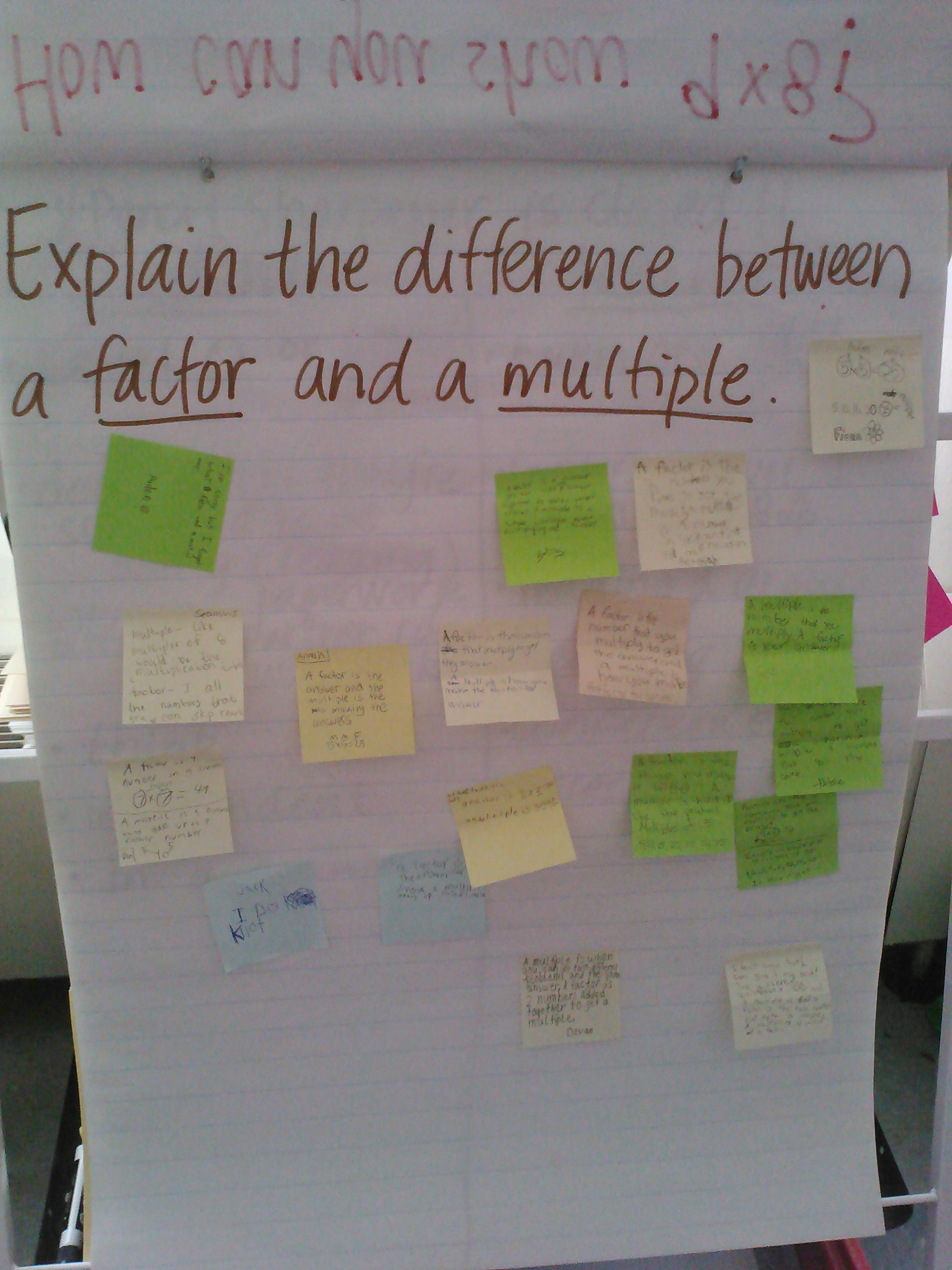
How would you answer these?  What warmups would you use for factors and multiples? Leave us a comment!

Just Goofing Around

Think of the feeling when you have to wear “church” clothes.  Or maybe for you, it’s easier to think about wearing a formal, like for a wedding or a fancy dinner.  You probably feel all stiff and uncomfortable, maybe itchy and hot.  If you’re in the wedding, you might feel like everyone is watching you, just waiting for you to make a mistake or drop something.  If you’re at that fancy dinner, you might be nervous that you’ll use the wrong fork, or not be able to read the menu because it’s in another language.  I remember that from prom when my date and I went to a really expensive French restaurant.  I couldn’t even have fun because I was so stressed out!

Now I don’t know about you, but at the end of a long day (even a great day like we had today), the first thing I do when I get home is put on my pjs.  I get comfortable–kind of like what you (or a kiddo) might do after that wedding, after you get home from church, after that fancy dinner is over.   From constricted to comfortable, into our “play clothes.”
That first example is how many people–kids and adults alike–feel about writing.  It’s uncomfortable and hard, with a  when-will-this-be-over kind of feeling.  Writer’s Workshop is a hated time, when all the pressure is on, and the teacher is watching your ever move.  Students may feel like they can’t do anything right, and they’re afraid they might make a mistake.

I want my writers to remember instead their play clothes; the way they feel and they freedom they are allowed in them.  When you’re wearing your play clothes you can get messy, run around, fall down and make mistakes.  There are no rules, really.  You feel alive!

So I want it to be in their Writer’s Notebook.  I want the writers I work with to feel energized when they sit down to write, ready to play with words and see what happens.  Their notebooks are allowed to be messy; it’s from the mess that masterpieces may emerge.

And so another notebook strategy was added today: Goof Around Writing.

First, I shared two entries from my own Writer’s Notebooks.  One was called “Ode to Mashed Potatoes” and the second was “Oh Sewing Machine, You are my Enemy!”  Each was just for fun, about how mashed potatoes tease me with their goodness but make me “fat, fat, fat” and then about a “fight” I had with my sewing machine last year when it wouldn’t work right.  Both were written in a playful manner, meant to sound silly and make you laugh.  But still, they were both based on my life.
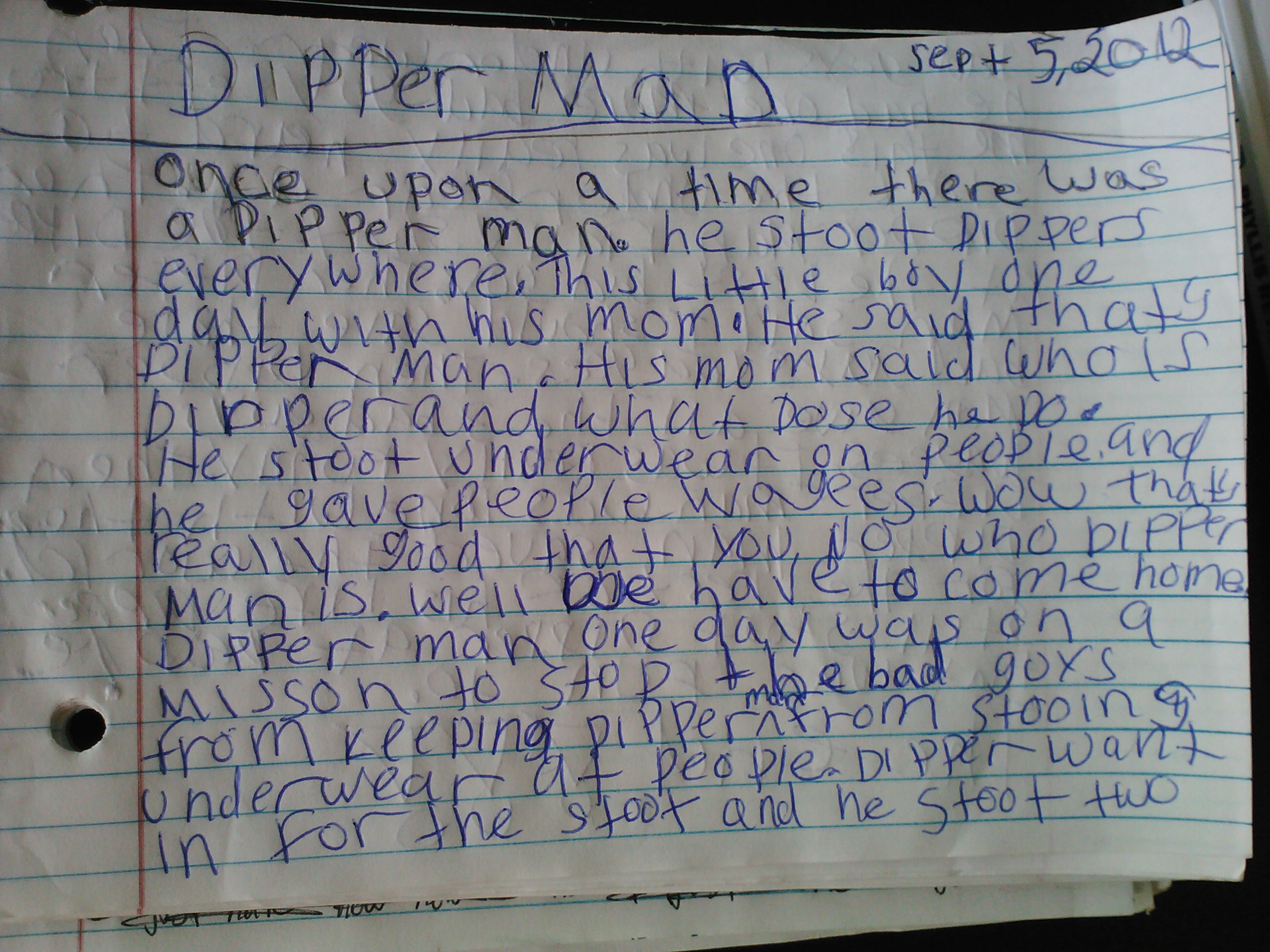
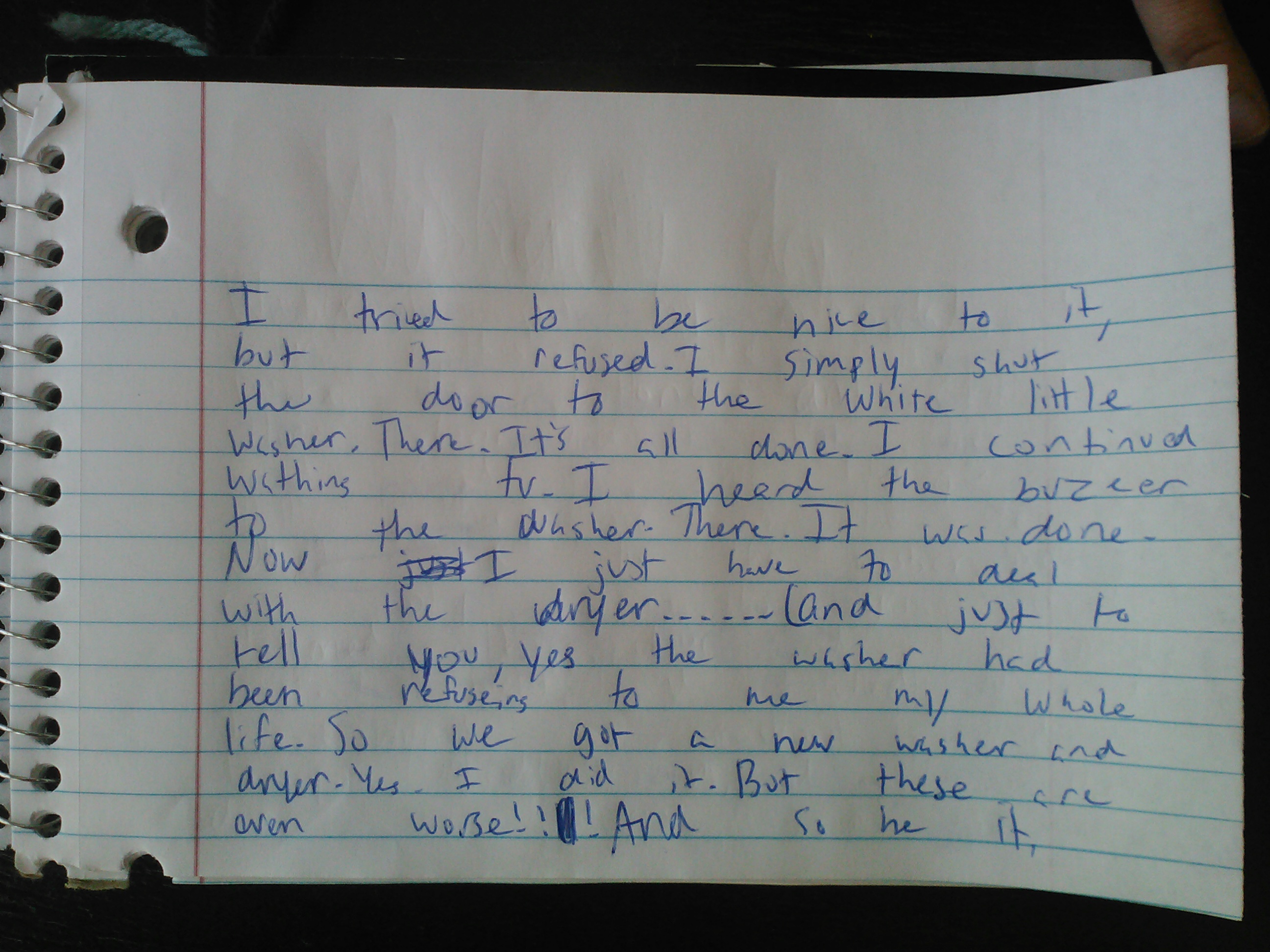
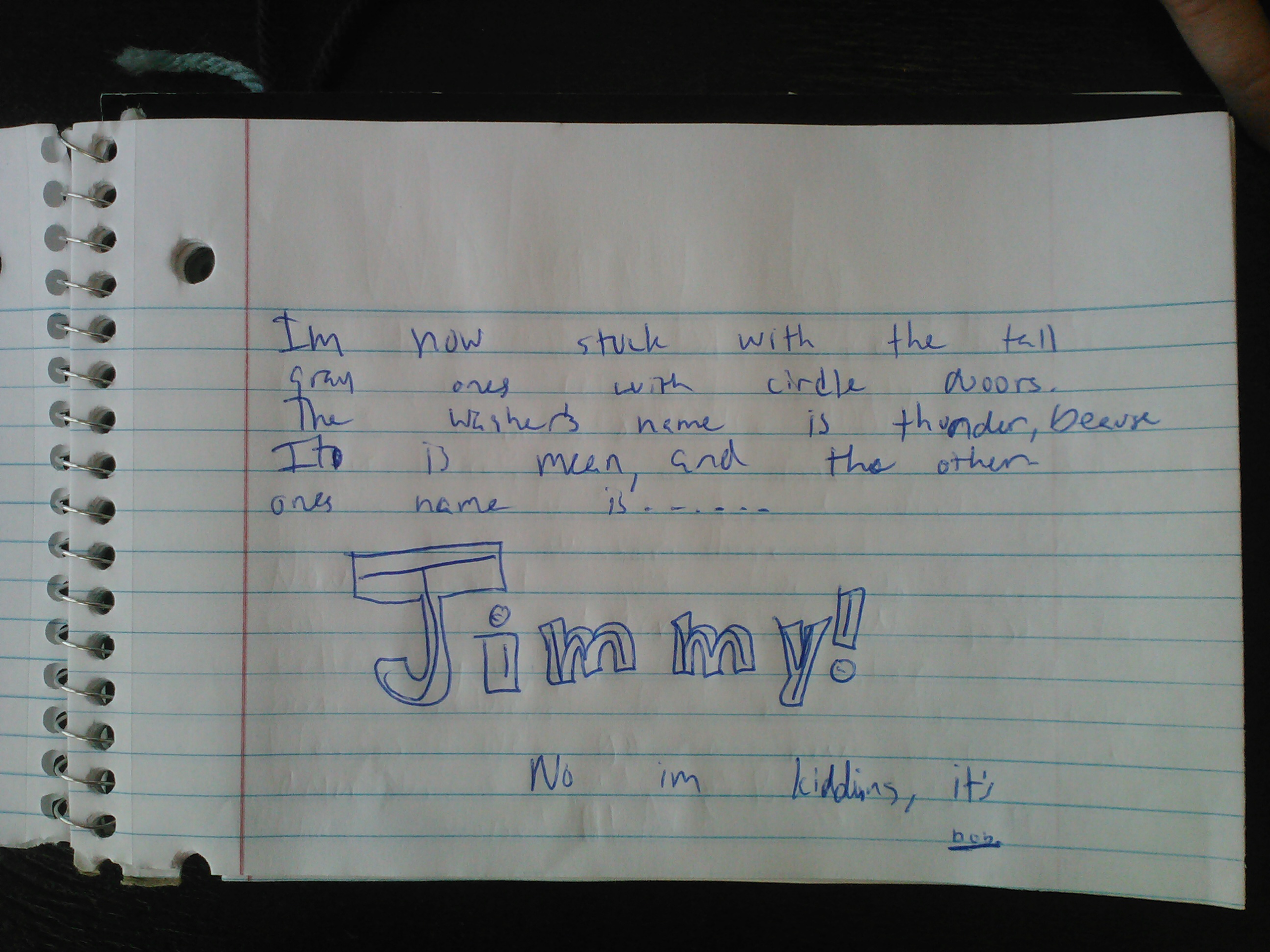
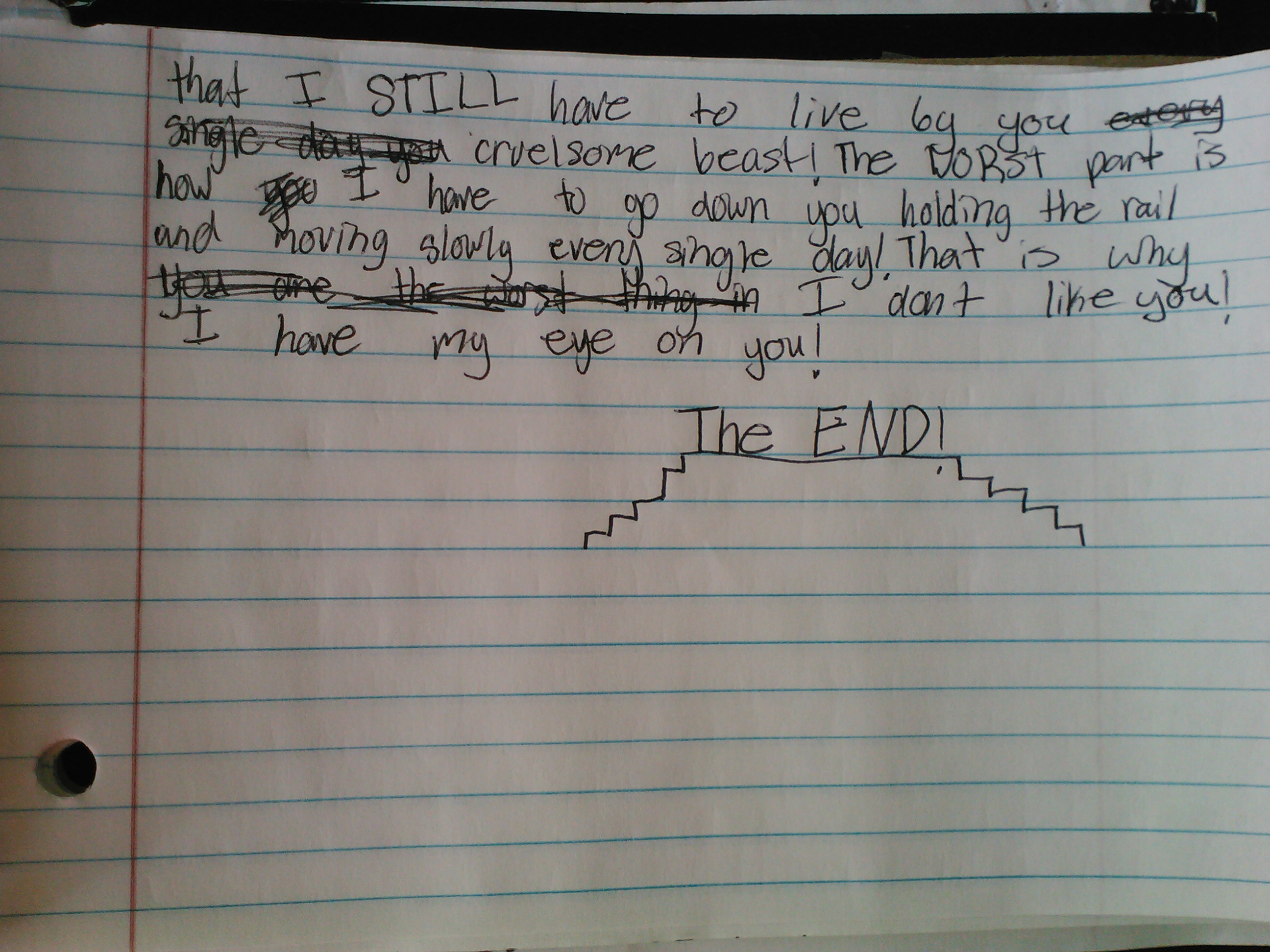
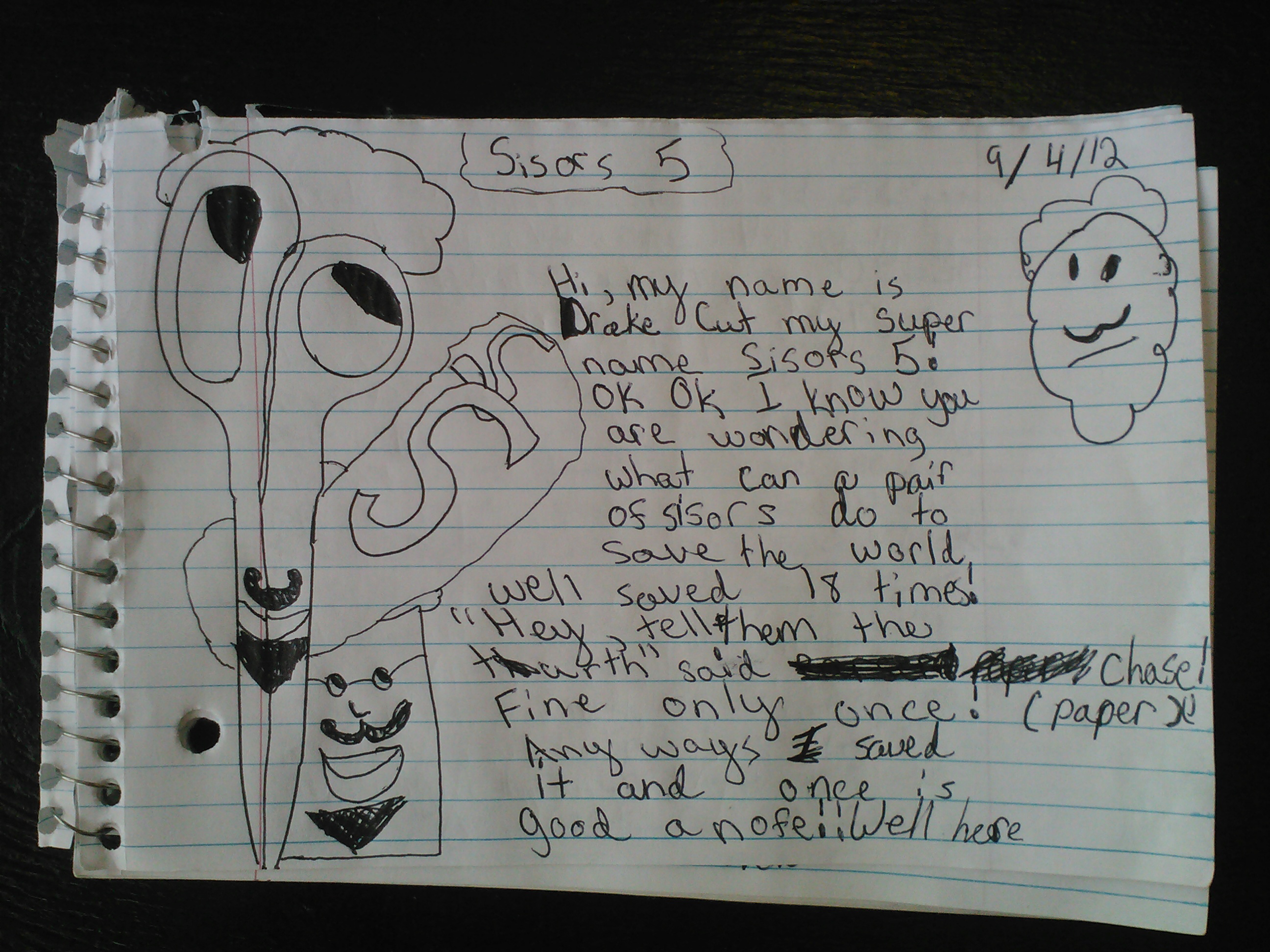
Then my friends had a go.  They LOVED this, and there was much giggling as we shared our entries.  There were MANY kiddos who thought that you, dedicated blog reader, should be able to see what they did.  So here are some examples of what we did in our play clothes when we were just goofing around with our writing:


What do you do when you’re “goofing around” with writing?  What do your play clothes look like?  Please leave us a comment and tell us about it!  We’d love to read your thoughts! 🙂

Put Your Cub in the Den

If you’ve visited our schedule page, if you’ve been here a while, or if you know me, then you know that writing is a big deal in my classroom.   So getting into Writer’s Workshop is also a big deal.  There is a very special way that I introduce Writer’s Notebooks, a special way I share myself as a writer, and so then writing becomes a very special thing to my students, too.   It works out really nicely.  🙂

So…a couple of years into teaching 4th grade, I came up with what I thought was a great idea.  At that point, Steno notebooks were EVERYWHERE, and I found a new way to use them.  Rather than having my kiddos jump right into their Writer’s Notebooks, I gave them a “practice” notebook where I would teach them my way of using the notebook, a place to give it a try and make mistakes.  Then, once they had proved to me that they were ready, they got to “move in” to their real notebook.  Back then my class came up with the name of “training wheels” for that starter notebook, because of how you go through that learning stage before you ride a real bike.

This year, I knew I wanted to get back to this whole starter notebook idea (I hadn’t done it with my 5th graders yet), so I got to work.  Instead of using Stenos, though, which are strangely hard to find now, I decided to use a half-sized notebook.  Just a few quick slices of the paper cutter and you have a class set like this:

I liked how they are pint-sized, so are therefore portable, but have big enough pages that you can finish most thoughts on one page.

I told my class the story of the training wheels, and set goals for how I wanted them to use these notebooks over the next few weeks.  Then I asked them if they wanted to stick with the old name, or create a new one that was just for us.  And so the idea of the “cub” was born.  Instead of having  training wheels that led them to a bike, they decided that they would instead have a cub that grew up into a bear!  Then, they even renamed our cubbies (the places where they store their stuff) DENS, so they could put their BEAR in the DEN.  Get it?  Like Bearden?  That’s actually how I tell people how to spell my name: like a bear in a den.  HA!  And so the cub was born.  And very soon everyone’s cubs will become bears.  🙂

But what do we put in our cubs?  What am I teaching them to put in their notebooks?

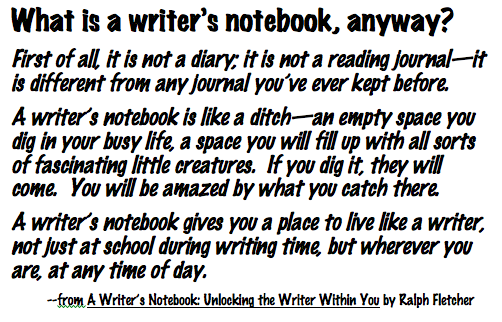
It all started with a definition, courtesy of Ralph Fletcher:


A container.  A ditch.  A place to live like a writer.  I want my writers to think of this little notebook as a place to collect ideas, to save secrets, to start stories.  It’s a place they will visit each day, writing in a variety of different ways, collecting entries that they will come back to over and over again in their future–for sure in their 5th grade futures, but hopefully (if I do my job right!) their farther futures, too.  I am up to my 11th WNB, the first of which dates back to 2005, and I still use them everyday!

So far, we’ve learned these strategies for our writing toolboxes:

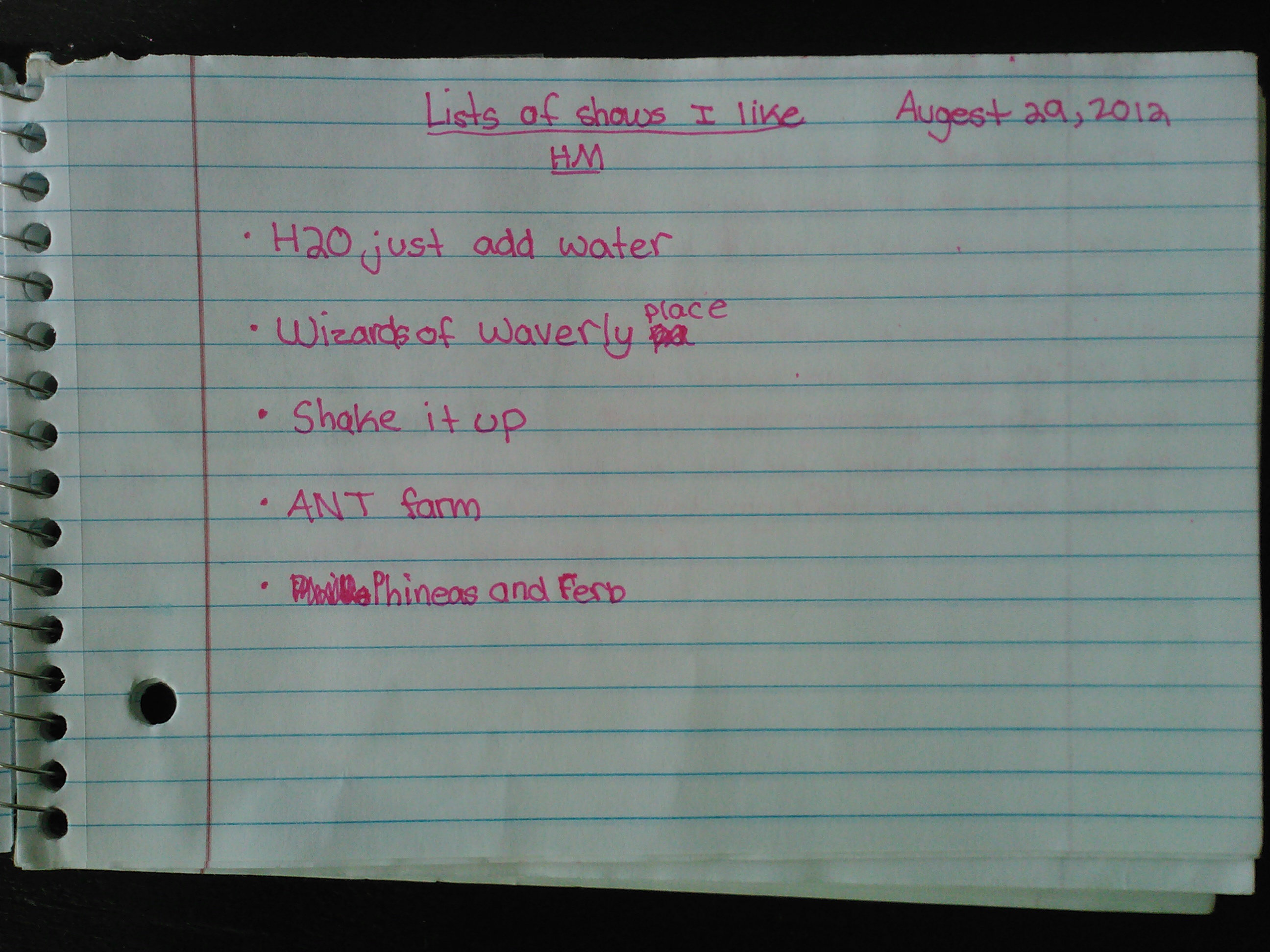
1. Lists: you can use this strategy for anything!  A list of favorite things, least favorite things, names, places, foods, story ideas–ANYTHING!  Like this, for example:


2. Memories:  I define a memory as anything that has happened to you in your past (and remember–5 minutes ago is the past!) that you want to remember.  It doesn’t have to be huge or monumental or “special,”  just memorable.  And important to you.  We’re learning that almost anything in our lives is “worthy” to be kept in our notebooks, and that we can write about these ordinary events in an extraordinary way.

A 5th grade memory or two:


3. Artifacts:These are really an extension of memories, and involves the “stuff” you put in your notebook that triggers memories–photographs, newspaper clippings, ticket stubs, candy wrappers, flower petals, cards, notes.  You name it!  Someone even taped a quarter into his notebook the other day because it sparked a story he’d heard before.  For us, it’s been mostly magazines lately.  I give them very specific directions about how the WRITING and THINKING is more important than the picture, and that they should not just cut out any old picture and write “I like…”  They are totally rocking at finding the deeper stories behind plain pictures they find in our classroom magazine bin.

For example:


4. Questions: We call these “fierce wonderings” (again per Ralph Fletcher’s smart thinking!).   We talked about how we wanted the focus to be on big questions that may not have an answer–at least not one that we can find easily or at this point in our lives.  We discovered that often fierce wonderings start with “why.”

5. Observations/Descriptions:  We added these to our strategy list today, and I can’t wait to share them with you soon!

I love the stories I keep hearing from families about how excited their students are to be writing!  They are already doing an AMAZING job with this!  But hey, that’s because they’re AMAZING kiddos!

What do you write about?  Have you ever tried any of these strategies in your own writing?  What can you add to our list of entry suggestions?  Leave a comment and share your thoughts! We LOVE to read comments!