New Caddies for a New Year!

We had a work day at the end of Winter Break, and I went into school for a few hours to prepare for my kiddos coming on the next Monday.  I could have (or maybe I should have) stayed the whole day cleaning out and organizing, but I only had one thing on my list that HAD to be done: cleaning out supply caddies!  There is just something about having fresh new pencils, brand new pens, and the rest of the supplies in the right place that makes everything better.  You know what they say: A clutter room makes for a cluttered mind.  Cluttered table caddies do the same thing!  Here’s to a new, organized year!

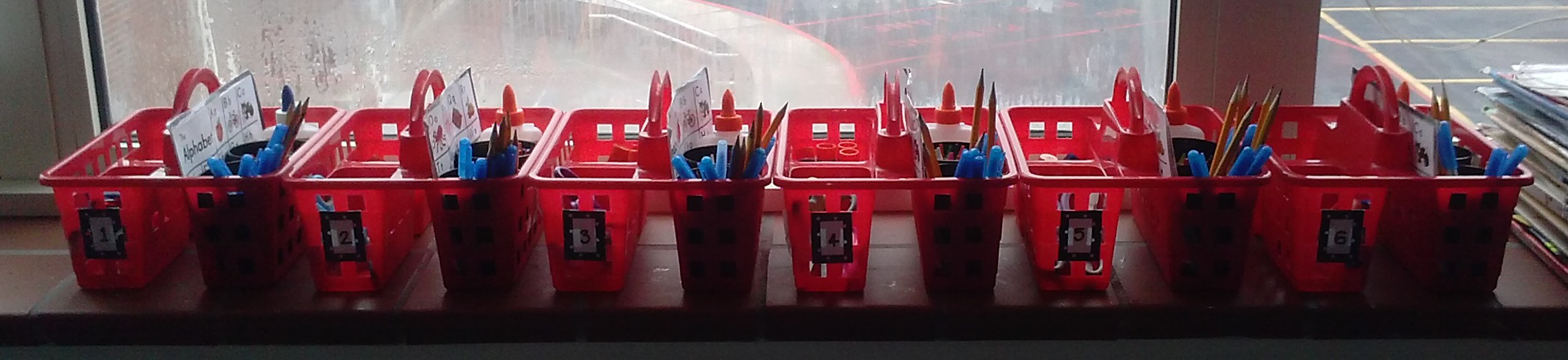
Beautiful, isn't it?  I took this picture so that kiddos would remember what goes where.  Now I just have to remember to print some to go IN the caddies so they can be used....:)

Beautiful, isn’t it? I took this picture so that kiddos would remember what goes where. Now I just have to remember to print some to go IN the caddies so they can be used….:)

CAM01260

I’m not sure which is better–clean caddies on the tables or clean caddies all in a row on the windowsill waiting for first graders to start the new year!

HAPPY NEW YEAR FROM RM. 202!

I Know an Old Lady, Do You?

During 2nd quarter, one of our big ideas during Reader’s Workshop was comparing various versions of the same text.  An easy one–as well as a favorite–was I Know an Old Lady Who Swallowed a Fly.  We found 3 versions initially and read them (and then found a couple more!), creating a chart to represent all the parts of the story.

1416417952741

I Know an Old Lady retold by G. Brian Karas: Somehow I managed to only have a picture of our “lady” without her labels! We spent much time labeling all of those things in her belly!

There Was an Old Lady Who Swallowed Some Leaves by Lucile Colandro: This one shows our super work at labels using interactive writing.  Plus, this old lady is super stylish with a belt, some glasses and a bow in her hair. :)

There Was an Old Lady Who Swallowed Some Leaves by Lucille Colandro: This one shows our super work at labels using interactive writing. Plus, this old lady is super stylish with a belt, some glasses and a bow in her hair. 🙂

I Know an Old Lady Who Swallowed Some Pie by Alison Jackson: This may be my favorite lady yet! Check out that 10-layer cake in her stomach!

I Know an Old Lady Who Swallowed Some Pie by Alison Jackson: This may be my favorite lady yet! Check out that 10-layer cake in her stomach!

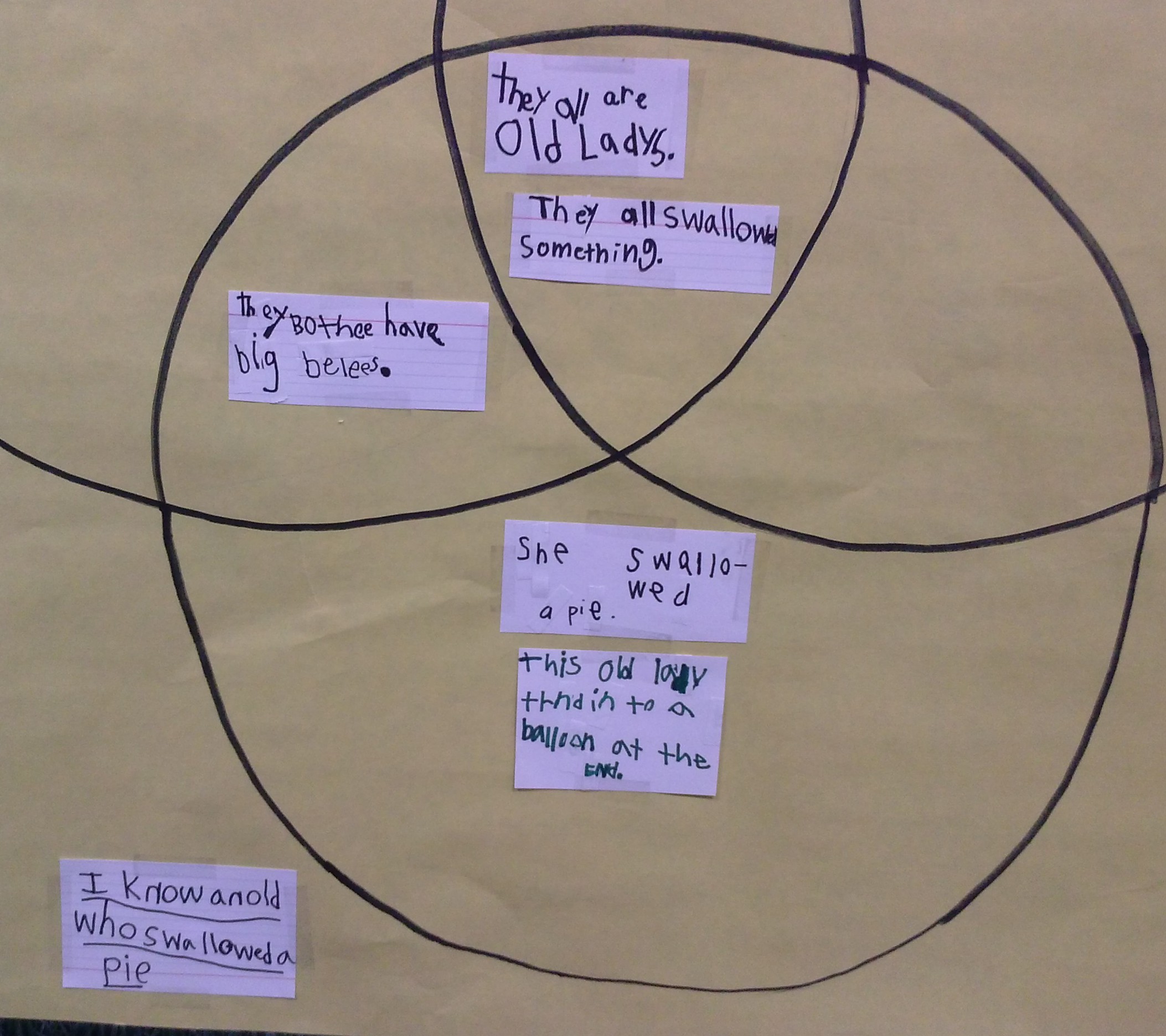
After we had read our stories, we dug in to start comparing and contrasting the stories.  We talked about how to do this in an organized way, and so kiddos were introduced to the Venn Diagram.  Well, reintroduced to the idea, but the name and the was new.  We had a 1st draft that ended up too messy to use, but it worked for us to understand how the diagram worked.

CAM01131

Once we knew how to put the pieces together, kiddos worked in pairs to write the parts that were the same and different.  Again, what we had learned during many interactive writing lessons lately paid off!

CAM01171

Another great example of interactive writing as well as great ideas for how the stories were the same and different! Super smart first grade thinking!

CAM01172

Close up of I Know an Old Lady

CAM01173

Close up of There Was an Old Lady Who Swallowed Some Leaves

CAM01174

Close up of I Know an Old Lady Who Swallowed Some Pie and the “same” sections of the diagram

Of which stories have you read different versions?  Share some suggestions with us! 🙂

First GradeMath Warm-Ups: Week of 12-15 to 12-19

Monday

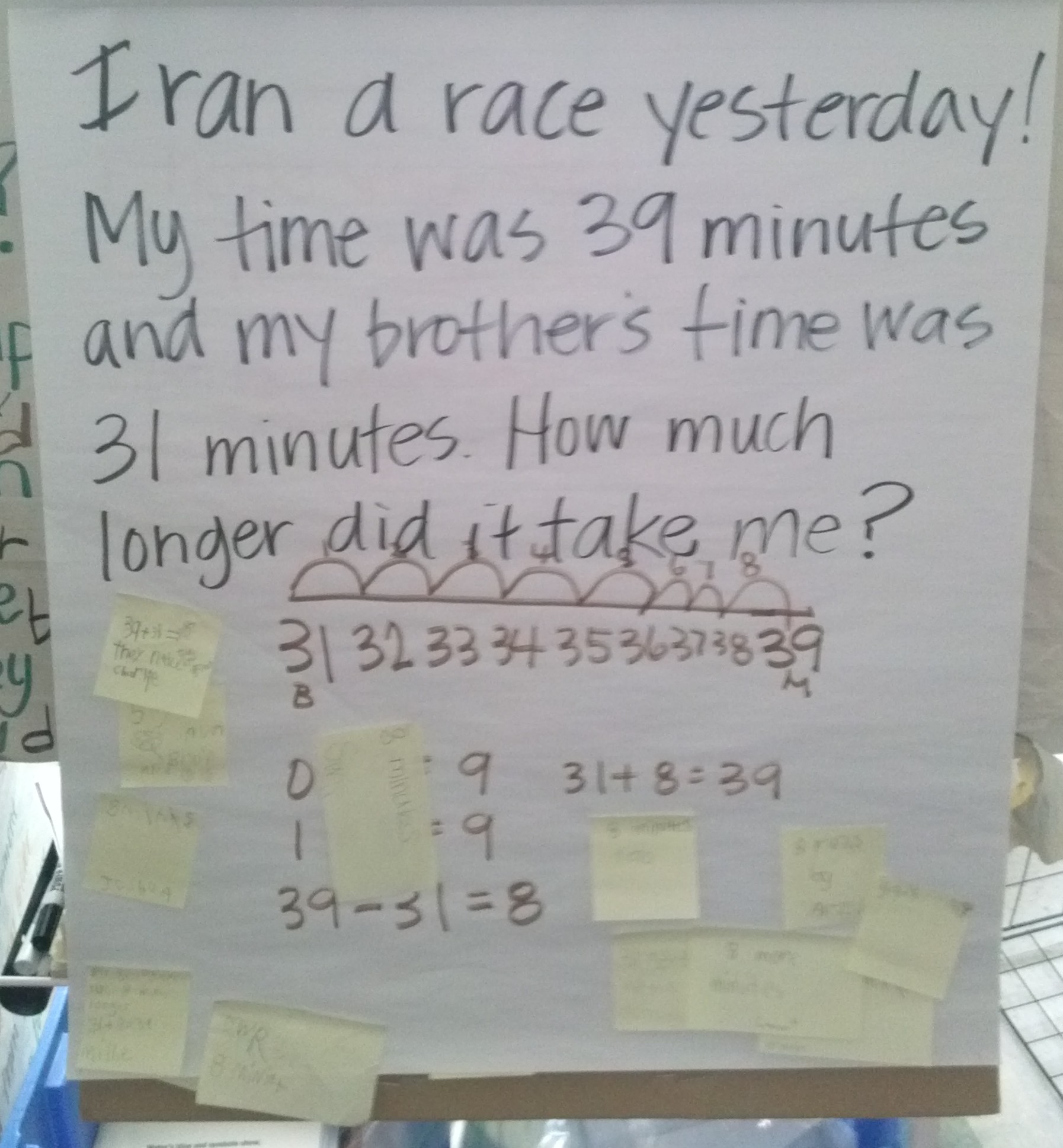
I participated in the St. Louis Hot Chocolate 5K with my family on Dec. 14 and of course I had to use it as a context for a problem of the day!  And yes, it is a true story.  I’m really slow. 😦

CAM01255

Tuesday

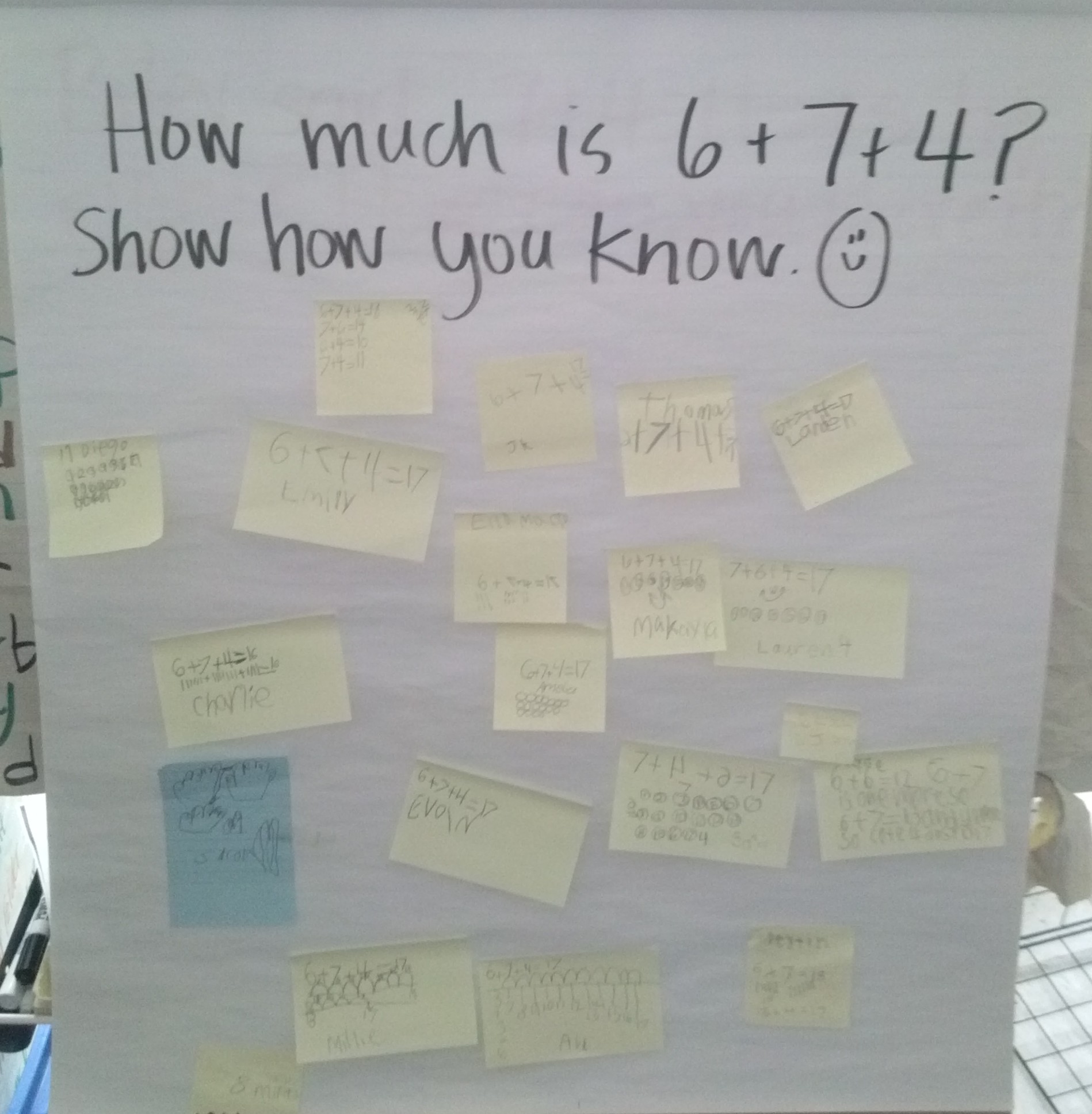
We’ve been working on addition strategies, so the numbers in this one were chosen so that hopefully kids would see the 10 and use it: 6+4 =10 and then 10+7= 17.

CAM01256

Wednesday

One thing I want my mathematicians to be able to do is think flexibly about numbers.  Sometimes I give the the answer and ask them why it reasonable (or not!).

CAM01257

Thursday

I’m not sure why I wrote the word tonight on this problem (as it doesn’t make any sense since I wrote it the next morning!), but you get the idea. 🙂  The focus was both on adding a string of numbers, as well as determining whether to add or subtract.  We’re getting really good at knowing when to add and when to take away, by thinking about the context and picturing the situation.

CAM01258

Friday didn’t have a math warm-up since we didn’t have math.  We had a delightful Winter Party instead!  Hope you had a great holiday break, math friends, and that you’re back into a positive January groove! 🙂

Interactive Writing Explained

**Disclaimer–I am SO excited to share this post and have been thinking about the right way to write it for a LONG time!  My kiddos worked SO hard on the writing in this story and are rockstars in my book.  THANKS FOR READING!!**

If you have been here for a while then you know that this year is my first year in first grade in a LONG, LONG time!  I got my start there more than a decade ago, then moved on to work with “big” kids for a while and am back to my roots.  Much has changed, but I’m finding that many things have stayed the same–some things are just good teaching.  Best practice.  Good stuff for kids.  Interactive writing is one of those things.  I learned how to do it back then and am being reminded of it’s importance and power with kids today.  Let me explain. 🙂

First of all a definition: interactive writing is a writing experience (often whole group) where teacher and students “share the pen” to create meaningful text together.  The teacher, using what she knows about students and their current understandings about letters, sounds, words, etc., purposefully chooses kids to add certain parts to the composition, building on their knowledge and helping them make connections to new skills and concepts.  This is not done haphazardly, and is best done with planning ahead of time–although I have had some amazing experiences with IW that happens “on the fly.”  Ideally, the texts you compose together because touchstones for future learning; revising and revisiting are part of the process. Continue reading

Math Warm-Ups: First Grade Version–Week of 12-1 to 12-5

For years in 5th grade I posted about Math Warm-Ups and how we used them to get our brains ready for flexible math thinking every morning.  Last year I didn’t use them much–for one reason or another–and this year they didn’t make sense until just recently.  So here we go–join us to see how Math Warm-Ups work with young mathematicians and how we use them to stretch our brains!

Week of December 12-1 to 12-5

Monday

Wait–Monday we didn’t have a Math Warm-Up.  Partly because it was the first day after a really long weekend and also because we had some unexpected freezing rain during the morning rush and it took me 2 1/2 hours to get to school that day!  I did anything but rush to school.  Here’s a picture of how fast we were going at one point.  And believe me, I was being really safe while I took this pic:


See that?  I think it says 2 miles an hour.  On the highway.  Seriously.

See that? I think it says 2 miles an hour. On the highway. Seriously.

Tuesday

This was the first day of Math Warm-Ups so I asked a question that I knew everyone could answer easily, as the point was to teach the purpose and procedure more than focus on a math concept.  Still, we were able to pull in many things we’d been working on in math during our conversation about this warm-up.

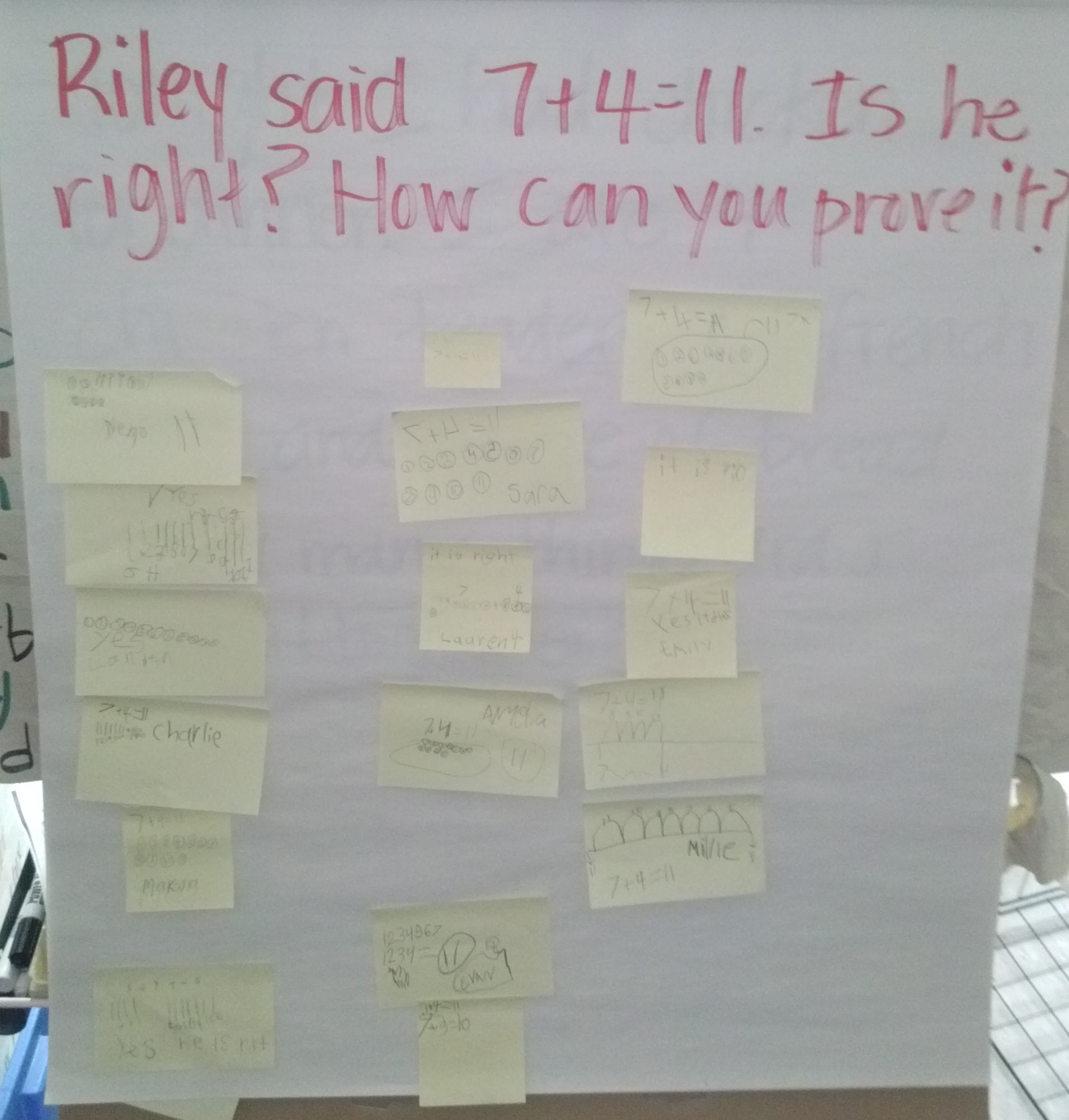
CAM01121

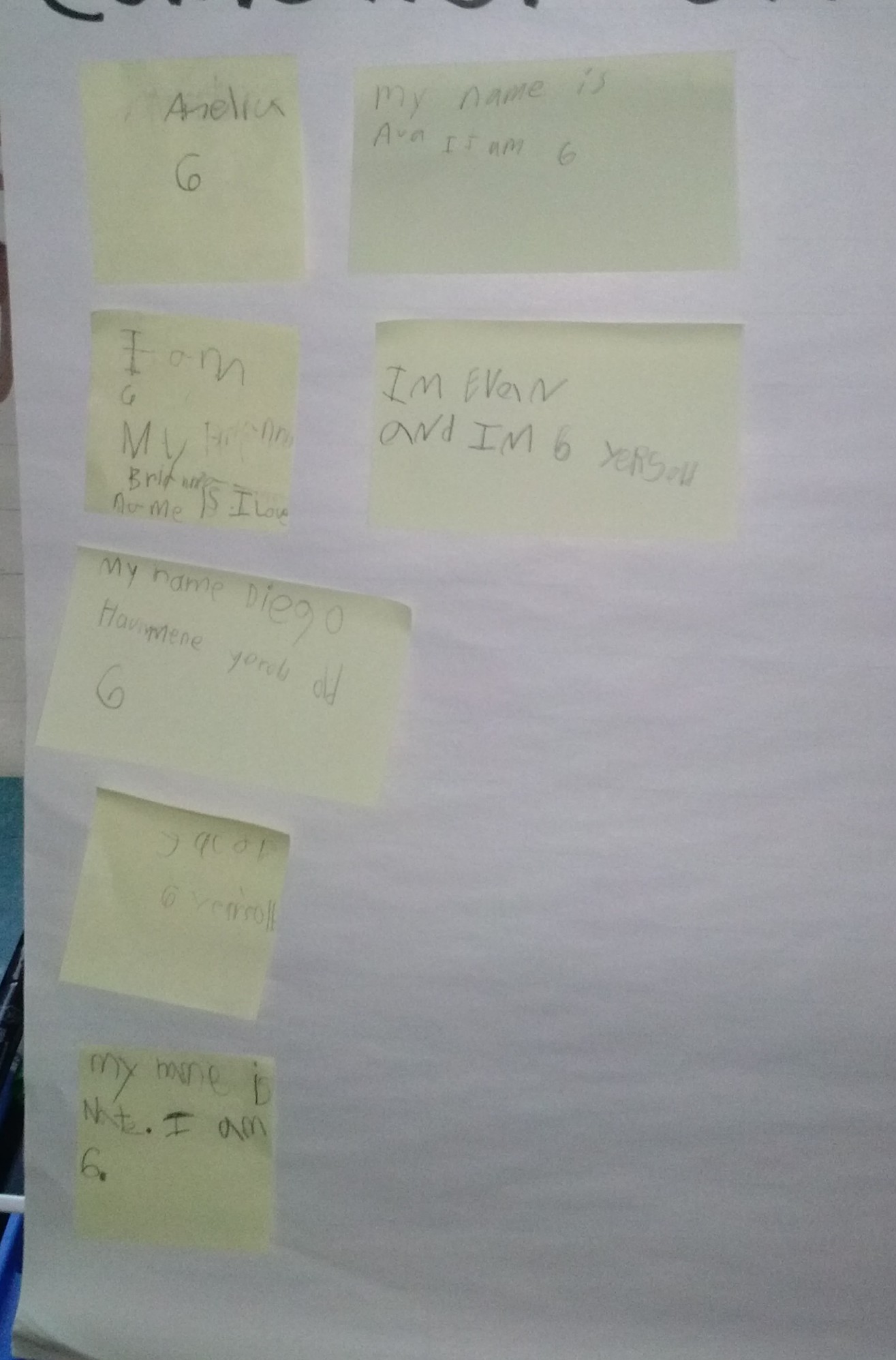
Now that I look at that picture, I wish I would have taken one right after we put all the post-its on it, because it was much messier, and that’s actually part of the conversation we had about what we could do with the data we had collected: someone suggested that it needed to be more organized.  I also asked them what question we could answer with the information we had up on the easel.  There were several good ideas, one of which was “Do we have more 6YOs or 7YOs in our class?,” hence why we ended up with two columns of notes.

           CAM01086    CAM01085

It was great to watch and listen when we started to analyze the notes and figure out how many of each age there were: they used what we’ve been learning about grouping objects to count, and recognized that I put them into the same shape as the 10 frames we’ve been looking at lately.  They were similar to what our math racks look like, too, and they quickly and easily saw that there were 7 6YOs on this day and 10 7YOs.  We talked about other questions we could answer, and also talked briefly about how this data could change based on the day (we had 3 friends absent).

Wednesday
CAM01120

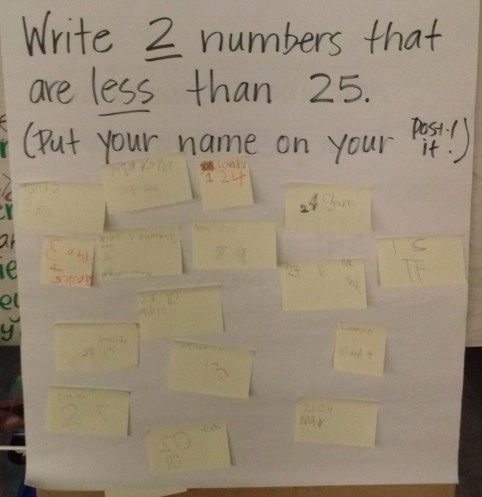
Another one I knew most could answer easily, but a little harder than yesterday.  The focus today was on making sure we followed all the directions of the warm-up: answering the WHOLE question and putting our name on our post-it.  There were still some who did not, so we made sure to talk about that when we reviewed this question during math.  The words LESS and GREATER were also a focus, as was writing the number the way it should actually look–with digits in the right places AND going the right direction (which is still tricky for some friends at this point in 1st grade!).

Thursday

CAM01119

We’ve been working on flexibility with combinations up to 20, as well as most recently practicing doubles and doubles +1.  This was interesting, then when most kids put 10+9 as their answer (which is probably the easiest combination to figure out).  I noticed many who wrote combos that DIDN’T equal 19, so the conversation was around accuracy as well as how they figured out their answer.  It also told me that as a whole, we need some more practice on this skill!

Friday

CAM01118

This question was just one to see where we were with fractions, as we’re about to finish up that unit.  The benchmark is just that kids understand 1/2s and 1/4s, but the “extending” on our rubric is 1/3s and I was pretty sure most kids could tackle that as well.  And boy was I right!  Now…I am not entirely sure if kiddos answered these on their own (like they’re supposed to) or if they worked together, so there’s more work to be done, but for the most part you can see that most of those rectangles (which is also part of this unit) are divided into 3 equal pieces!  Even the way I worded the question gave me some information–info that I didn’t expect–when someone said, “I can’t just draw 1 line and make thirds.  Can I draw more than 1?”  Obviously that friend knew what was going on!  I hadn’t done that on purpose, and so made the change on the chart for the rest of the friends who completed it.

This is our first try with warm-ups this year and I am excited to see where they go!  Great job, Rm. 202 friends!  You did an AWESOME job!

Teachers–What kinds of math warm-ups have you done with your class?  Have you tried them with 1st graders?  How did it go? We’d love to hear about what’s going on in your class!  Parents–did you hear about Math Warm-Ups from your kiddo?  What were they saying? 🙂

News Flash!!–October 17th Edition

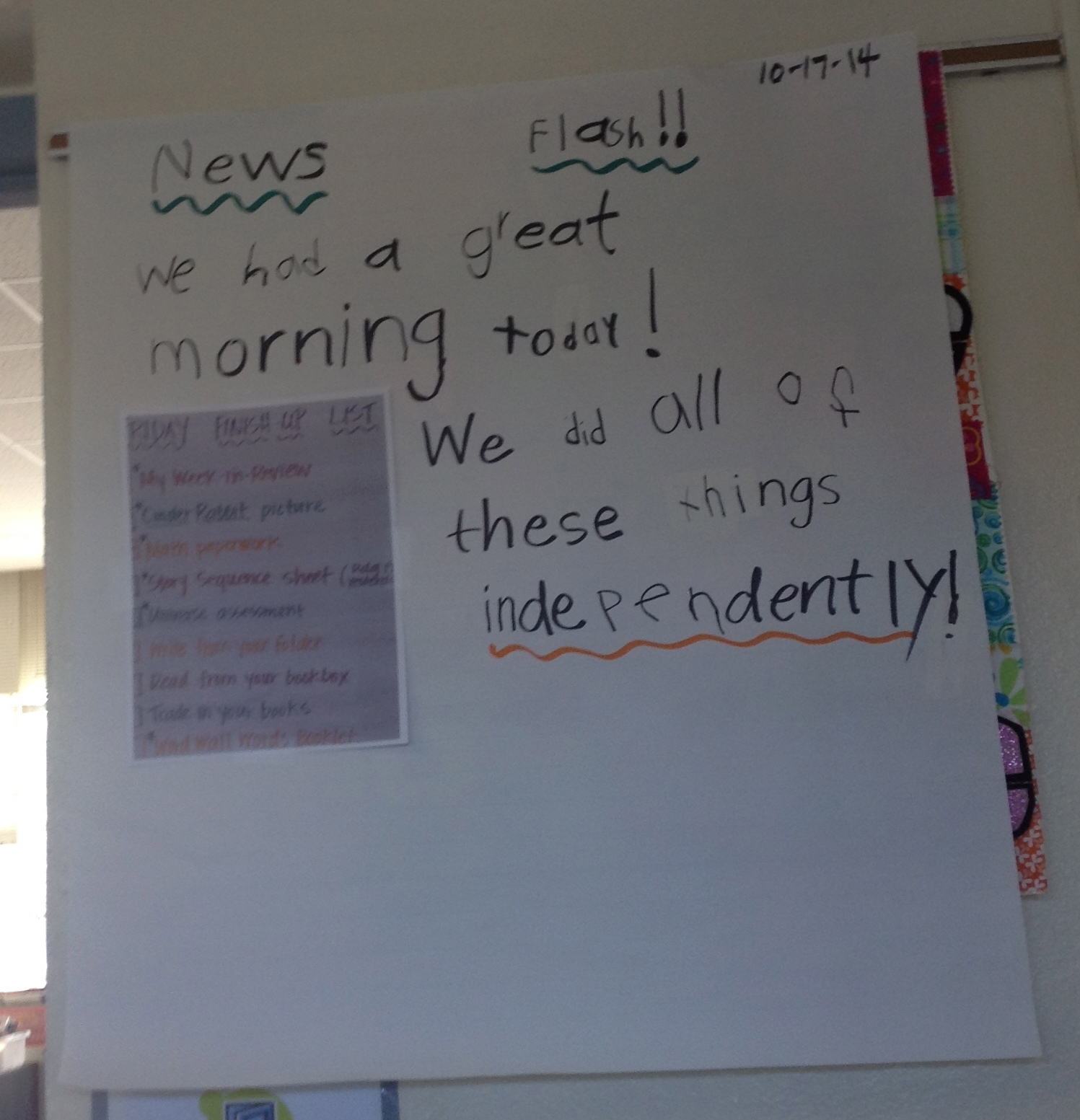
This happened today:IMG_3707


Besides being a really great example of interactive writing, there’s a great story behind WHAT we did and WHY we wrote this News Flash.  So keep reading. 🙂

The last two Fridays, we’ve ended up with many things to do and have deemed the day a “ketchup and mustard” day.  I have given them a big ‘ole list of things to do or finish, and they work through it at their pace, moving on when they need to–making sure they complete all the things on the list.  While they were working I have been pulling kiddos individually to do assessments and other things.  And you know what’s really cool?  These kiddos are already AMAZINGLY good at managing both their time and behavior to make these periods both engaging and productive.  I’ve had 5th grade classes that have had a hard time with that!

Just so you can appreciate it, here’s the list they were working from this morning.  The stars are MUST-DOs and the others are CAN-Dos for when they had time.  The boxes on the left are full of everyone’s initials; they marked the activity when they were finished and moved on to the next thing they had to do:

IMG_3703

I was SO IMPRESSED when we sat down before lunch to debrief on how the morning had gone.  And apparently Nate was impressed, too, because he said, “Mrs. Bearden, I think after lunch we should write a news flash about this because of how great we did!”  I agree, buddy, I agree!  Well done, Rm. 202 kiddos! 🙂


First Days!–Part 2: David’s Drawings

Our first days together were so great and so busy!  Busy enough, in fact, that all the fun wouldn’t fit into just one blog post (or rather it would, but you’d have been sitting for hours and probably wouldn’t have wanted to finish!).  So here’s Part 2 of the fun of the First Days of First Grade.

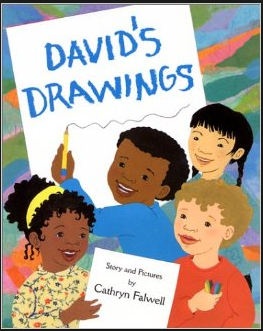
Mrs. Appelbaum, one of my fabulous teaching partners this year, was kind enough to share a great book that she uses during her first days to help encourage collaboration and cooperation, David’s Drawings by Cathryn Falwell.

Screen Shot 2014-08-31 at 4.57.37 PM(photo courtesy of Amazon.com)

We read the story together one morning and loved it! The big idea of the story is that David, the main character, is drawing a picture, which starts with just plain trees.  As times goes on, his friends come and ask to add different details to his drawings that can help tell a story.  The important part is that his friends don’t just ADD their details, they ask him first, as well as explain their thinking to him as they draw.  The end product is a picture that everyone has made together, which started from one friend’s great idea.

We had to try it!

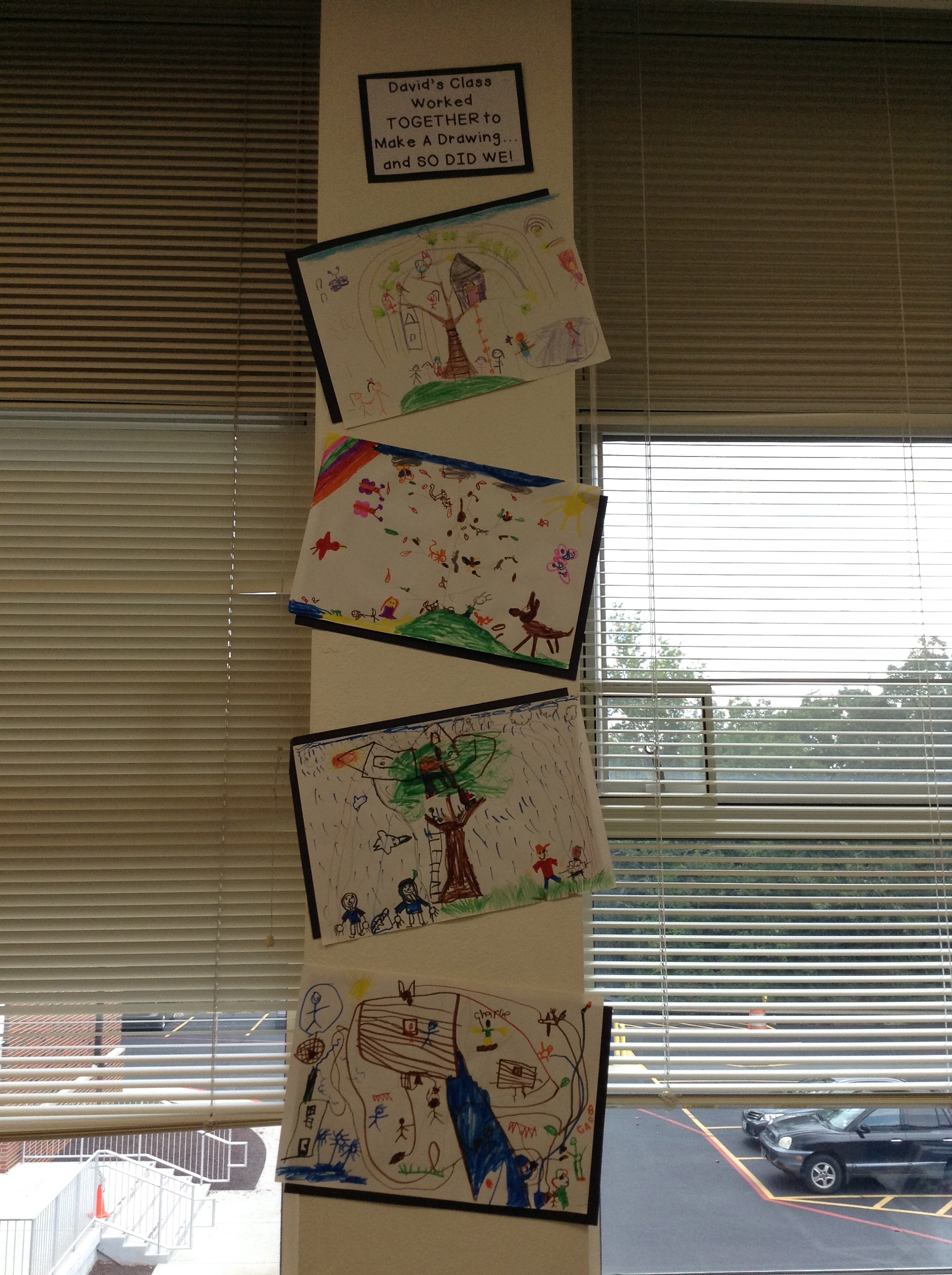
After specials, kiddos came back to find 4 very plain white pieces of paper with just the outline of a tree in the center.  Once we got into table groups, we got to work.  They were invited to, although no one did, to draw on as many pictures as they wanted.  The important part–as with David’s Drawings–was that they talked about their additions as they drew them and made sure their partners knew what they were putting in the picture.  As with most everything else we do, I was so impressed with how beautifully they cooperated for this activity!

We were finished, each group picked one person to be the spokesperson and tell us the story of their group picture–again allowing us to work on becoming good speakers and listeners!

What a great job, Rm. 202 kiddos!  Now our creations hang where we can see (and admire!) them, with a reminder that “David’s class worked together to create a drawing, and so did we!”  What a great example of how more heads make for a more creative picture!  Goes with our theme for the year: LEARN. CREATE. COLLABORATE.  Love it. 🙂

IMG_3128

Keep up the great work, Rm. 202!

To Each His Own

I have two kids.  They are lovely.  Well most of the time they are lovely.  While I knew going into it that children are different, I don’t really think that is something you can really grasp the concept of until you have more than one child and you EXPERIENCE how different two children with the same parents can be.  And in our case I’d say it’s pretty much night and day.

Let’s start easy: one’s a boy and one’s a girl.  That’s an obvious opposite, sorry. 🙂  He’s an introvert, she’s an extrovert.  I mean MAJOR extrovert–one of those makes-friends-with-a whole-room-of-people-in-five-minutes kind of extrovert.  He’s tall, she’s short.  Ok, sorry, that’s another stretch and not really a far difference because he is twice her age.  But then there’s temperament:  he’s easy-going, a rule follower, can adjust to disappointment and change fairly easily and is likely to do the right thing because it’s the thing to do.  She is strong-willed. I’m learning that baby girl is pretty much a my-way-or-the-highway kind of kid.  She argues facts that are right there plain as day just because she wants to (although I guess it’s fair to say that her brother often will start or continue many of these arguments….).  Her answer to many things is “I just don’t want to,” and when you give her a choice between two things her response is usually a very spirited “no.”  Yep, no.  What the heck?

Here’s a quick example of their complete “oppositeness,” which happened at the dentist yesterday:

Yeah, see that face?  It totally says, "NO WAY!! I am not letting that lady clean my teeth!"  The other one?  Totally rocking it with some stylish sunglasses (to keep the bright dentist-light out of his eyes).

Yeah, see that face? It totally says, “NO WAY!! I am not letting that lady clean my teeth!” The other one? Totally rocking it with some stylish sunglasses (to keep the bright dentist-light out of his eyes).

And so I am learning (like I mentioned in the beginning) that my children are very different, even though they have much in common.  And with that comes learning that I cannot deal with or teach or discipline them in the same way.  What worked for one more certainly does NOT work for the other.  In many ways I feel like a new parent again.  And in many ways I am–I have never parented this second kiddo before.  She is new to me.  I am relearning how to be a “successful” parent to this little princess of mine, discovering new tips, strategies and techniques that work for both her and me (because yes, I’d like for us both to survive through the teen years!).

You know what?  That same thing applies in the classroom!  I was a teacher long before I was a parent, but I love how having littles of my own at home helps me more clearly see and understand what I maybe only partly grasped as a teacher previously.  It’s kind of a “duh” thing, I guess–I would never expect two kiddos in my class to be identical, nor would I expect exactly the same thing to work for every single kid every single year.  I am not that teacher who plans the whole year in the summer (using the same plans as last year, no less), and then presses “play” and glides through the school year doing the same ‘ole same ‘ole.  I acknowledge the fact that a new bunch of learners requires a new bag of tricks and a restocked toolbox ready and waiting to be used at the right time and place.  And the same is true with kids at home.  Weird how that works, huh?

So I guess this means I have some more learning to do.  So far I’ve learned that my sweet, sweet darling child is a spunky, spicy, chatty, curious, creative, princess-loving, always-smiling-except-when-she’s-scowling, always-dancing girl who loves her brother and family, loves to sing, loves to laugh and really just wants to figure out how things work, find the answers to her questions and eat mac and cheese for every meal.  Why would I want her to be anything else?  But with that acceptance, I have to figure out how to best teach such a learner in a way that makes sense to her, offers both of us success and preserves her dignity.  THAT, it seems so far, is easier said that done.  Any advice? I’ll gladly take it.  We’ve got a long road ahead of us (which I will gladly travel with her, by the way. 🙂 ).  I guess for now I’ll go dig out my copy of The Strong-Willed Child…. 🙂