If I Didn’t Write to Empy My Mind, I’d Go Crazy

Anyone who spends time in my classroom for longer than five minutes can (hopefully) see these things about me as a teacher:

  • I love natural light.  The overhead lights are almost never on.  We’re lucky that we have a whole wall of really tall windows that make our classroom nice and bright without artificial light.  Amazing.
  • I love to make my classroom as “homey” as possible.  You’ll find rugs and lamps, a coffee table and other touches all over the place.
  • I like to have things organized.  There are not many things that I care about in my classroom–as far as what things look like or how you do your work–but labels and neatness are two of them.  I spend a lot of time labeling things before my kids come, so that everyone knows which things are theirs and where those things are supposed to go.  There are baskets for supplies on the window sills, boxes for books all around the room, tubs on table tops for keeping Writer’s Notebooks, Read-Aloud Journals, pens and pencils.
  • I love to write.  Not just like it, love it.  I talk about it all the time.  I can probably find a way to turn almost any conversation around to writing.  What, when, how–you name it.

Ok, so maybe you couldn’t see that by looking in my classroom, but you could certainly tell it after a 5 minute conversation with me.  Or with my students. And the foundation of this obsession goes way back. Here’s my story:

I have always loved to write.  When I was a kid, author was on my short list of things to be when I grew up–right next to nurse and teacher.  I always loved writing in school, and was a pretty talented writer all the way through.  I still remember an epic poem I wrote in high school called The Hostage Gown (complete with footnotes and style and humor and wit) that I got a 100% on.  Mrs. Jessen was not an easy grader, either, so that was a bigger deal than it even seems.  But up to that point, most of the writing I did was because somebody else told me to.  Even in college, I was in an advanced comp class, and did pretty well.  But I still only wrote for teachers.  Never for myself.

Once I started teaching, writing became a bigger part of my life, but still only on a “school” level.  I started out in primary, and right or wrong, I found it easy to wing it teaching 1st grade writers; I didn’t need much practice to explain how to make a sentence or to use capital letters in the right places.  It wasn’t until 2005 that things changed for me.

A lot of things were new that year.  I was apprenticing to be a Project Construct facilitator for the state of Missouri, and I was also making a huge leap from 1st grade to 4th grade as a teacher.  So I spent a lot of time during that summer thinking and learning about writing.  I was excited about the prospects of teaching “big kids writers;” kids whose stories consisted of more than just a sentence or two and some pictures.  Kids who knew the basics and who could be stretched to a level I hadn’t yet be able to go with my students.

Enter some mentors of mine from Project Construct–Kristen Painter and Joyce Coats.  Both had this advice for me as we worked that summer: “If you’re going to teach 4th and 5th grade writing, you HAVE to have your own Writer’s Notebook.  All of your mini-lessons and teaching will come from there.”  Great! I can do that. I thought. But then I remembered that I didn’t have one.  I was a primary teacher who wasn’t really a writer myself, outside of functional writing I did everyday just to get things done.  And I didn’t even really know what a Writer’s Notebook was, much less how to use it or what to write in it.

Luckily, since it was summer and I was “off,” so I had lots of time to figure it out.  The very day or two after Joyce gave me that advice, I found myself in Border’s in front of the journal section shopping for just the right book in which to start.  It had to be the right size–small enough to fit in my purse so I could take it with me–but have the right kind of insides so my handwriting would look nice and neat.  I figured out it needed to be spiral bound so I could lay it flat, and then it needed to look just a certain way, too (but at that point I wasn’t sure what that really meant).  After what seemed like more than a half-hour’s work, I ended up with a small, black spiral notebook with rainbow edges.  Then I got busy making it mine.  Here’s what my very first Writer’s Notebook looked like:


As you can see, the front of it is specific to me.  It’s 6 years old, so a little worn, but you can see my family and friends; my dog, Floyd (who has since gone to live somewhere else); the year I was married (1998);  my job (teacher in Kirkwood School District); and an old greeting card business I was into at the time (Paper Soup Cards).  I love how Ralph Fletcher describes a Writer’s Notebook like a dorm room.  When you first start, it’s plain and white and boring.  They all look the same.  But slowly, as you “move in,” it starts to look like you, to take on your personality.

That first summer, I did all I could to fill that notebook up.  I wrote and wrote and wrote.  I used many of Ralph Fletcher’s suggestions, as well as those from my friends, about the what to write.  I had to figure out the when and the why.  And I guess that I did, because 6 years and almost 10 Writer’s Notebooks later, I’m still at it!  What I write and where I put my words has changed a little, but I’m still writing and loving it.

But why does it matter so much that I am a writer?  Well, because I am a writer, I know how writers work.  I understand how it’s hard to think about what to write sometimes.  I understand how great it feels to write on the last page (or the first page, for that matter!) of your Writer’s Notebook.  I have been where my students are, and have worked through some of the same problems they encounter in their work in our classroom.  I use my own writing during writing conferences, and talk with them about what I did when I had a problem.  And there’s something really special and powerful about the message of “I’ve been in your shoes.”  I think they trust me more.  They know I know what I’m talking about, and they try what I suggest.  The excitement in our room every year is contagious, and I like to think it’s because from day 1 they understand that we are all writers and that we’re going to do amazing things together.  And if for no other reason than I annoy them will all of my talk of writing, everyone leaves my class feeling a little more confident as a writer than when they came in–no matter where they started.

Oh, and one last thing.  I write so that I have material, so to speak, to use in Writer’s Workshop, but I really write for myself.  The quote I used in the title is from Lord Byron, I believe, and is totally the truth: If I didn’t write to empty my mind, I’d go crazy.  I am a thinker and a planner.  So that means that most of the time I have a million-and-one thoughts rolling around in my head, and they have to have somewhere to go.  So I collect them in my Writer’s Notebook.  Some of them I come back to and use again, some of them are just written down and left there.  Everyone has a stress-reliever, and mine is to write.  It’s therapy for me.  And it’s free therapy, which is a great thing.

So there’s my story, and I’m sticking to it.  And I wonder from you: Do you write?  If so, what/why do you write?  If not, what is keeping you from doing so? Comment and tell us about it!

Ok, sorry–one last quote: “Here’s the secret of writing: there is no secret.” Ralph Fletcher

Nope.  Not done.  One more: “I write every day for two hours. But it’s what I do for the other twenty-two hours that allows me to write.”
Don Murray  
🙂


Are You Hungry?

If you’re anything like me, then you love to eat.  And you really like to eat out.  My family loves to find new restaurants around town and try them out; “chain” restaurant is kind of a bad word in my house.  So, if you’ve ever eaten out, then you know the idea behind a menu–you are offered a variety of choices of yummy things to eat.  Most times you will choose a main course, side dishes and dessert.  Maybe if you’re really hungry, or if something looks really interesting, you might add an appetizer to your meal.

Ok, so what?  This is a blog about school, about education.  Why all the restaurant talk?  Well, if you’ve spent any time in our classroom lately, or if you’ve seen a 5th grade homework sheet this year at school, then you’re familiar with the idea of a menu.  But why, you ask, would you use a menu in school?

Let me tell you. 🙂

The big idea that makes a restaurant menu work, that makes it desirable, is the idea of choice.  When you sit down to eat, no one tells you “Eat this.  Chew it 25 times.  Swallow it.”  You’re not forced to eat things you don’t want to (well, unless maybe you’re a kid!), and there are many ways to achieve your goal of filling your empty stomach.

That’s what we’re trying to do with menus in school.  We have a goal–based on subject and unit–and then students are given a choice of ways to show their knowledge and learning related to that subject.  The idea is not new, really; I’ve been doing a variation of it for years.  Long ago we called them “invitations” or had a list of “must-dos and can-dos”, but the idea behind it is the same: children are going to have more ownership over their work and probably ‘dig in’ and little deeper when they have choice in what they do and what the final product looks like.

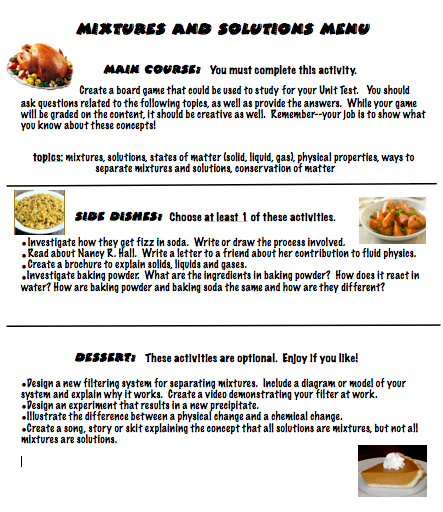
Here are some examples of menus we’ve used this year so far:


I must add, though, that besides giving students a say in what their work looks like, menus are an important tool in differentiation.  The categories are tiered, so that every learner can be engaged wherever they are in their understanding of the concept; the main course is something that everyone can do (still at their own level with their own creativity), side dishes are a little deeper, and then desserts are activities and projects that allow and enable students to stretch themselves and think in a deeper way.  Everyone in my classroom has their needs met regardless of what they are, and everyone has activities that are appropriate for them.

So, are you hungry for learning? Menus are for you. 🙂


Thinking Ahead

This will seem so random, since it’s something for January and this is the day before Thanksgiving, but I wanted to give you a little peek into something we are going to be doing.

I have tried for many years to do Student Led Conferences in the Winter/Spring, and I ran across a really great blog post that I thought you’d enjoy reading. It explained 10 reasons why they were a good thing, and I liked the comments that were added by both students and parents.

Just a look ahead at what’s to come.  I’m excited to see how it goes with our kids!

Happy Birthday, Mrs. Bearden!

Today I was surprised.  Really surprised.  By kids.  And the best part?  It was because they were being amazingly sweet to me.

Let me back up a few days….my actual birthday was last Tuesday.  I was unfortunately sick that day, though, so didn’t get to celebrate with my class at school.  They were a little bummed, but planned to redo the whole happy birthday thing the next day.  But then I was sick on Wednesday, too! Thursday and Friday were crazy days around school for various reasons, and so no birthday talk those days either.

So fast forward to yesterday.  Many kids brought me gifts (thanks a million, guys!) and cards, and so I thought that was the surprise.  I was feeling really blessed and really loved by my students.

And then they did it again. 🙂

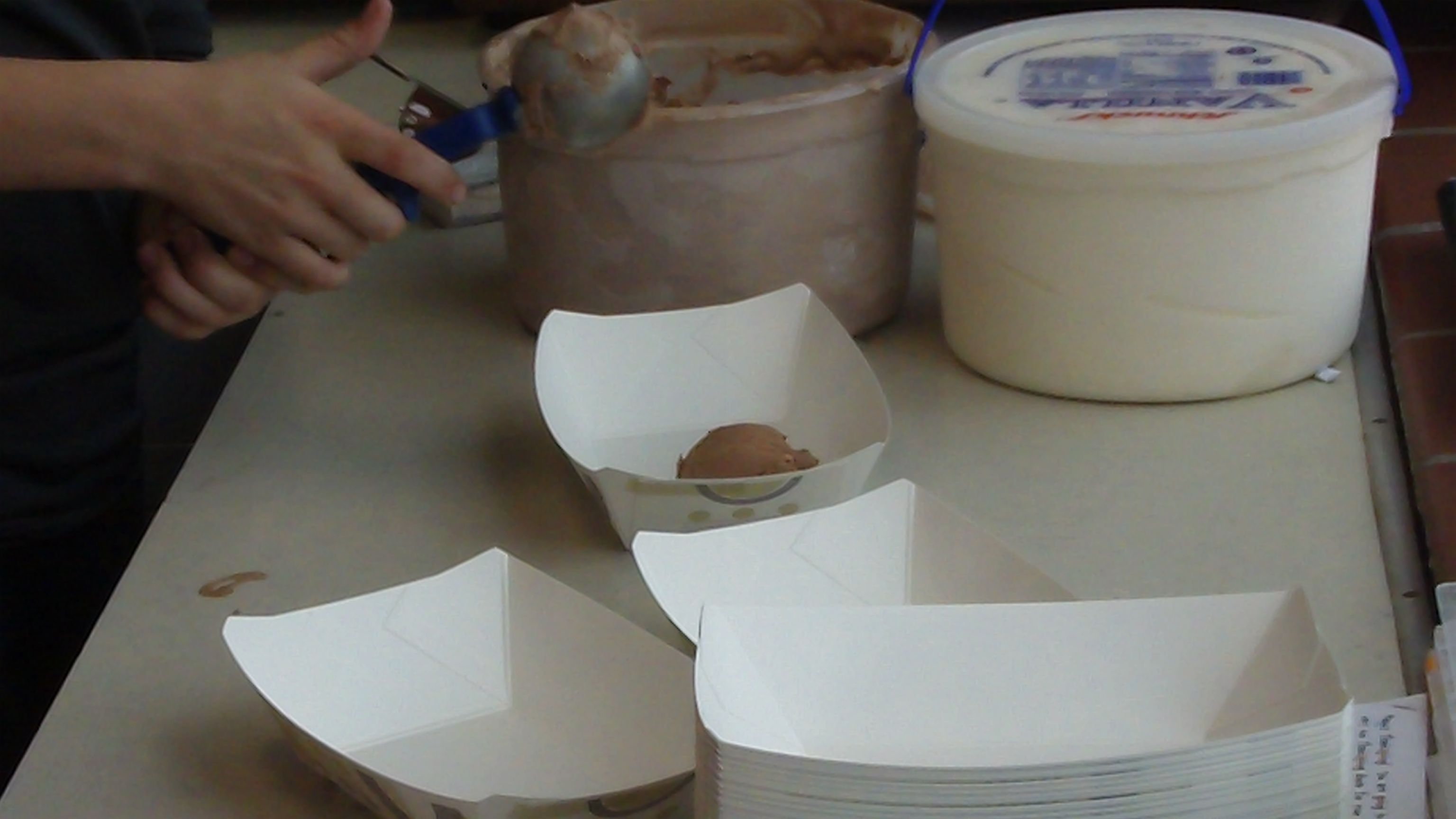
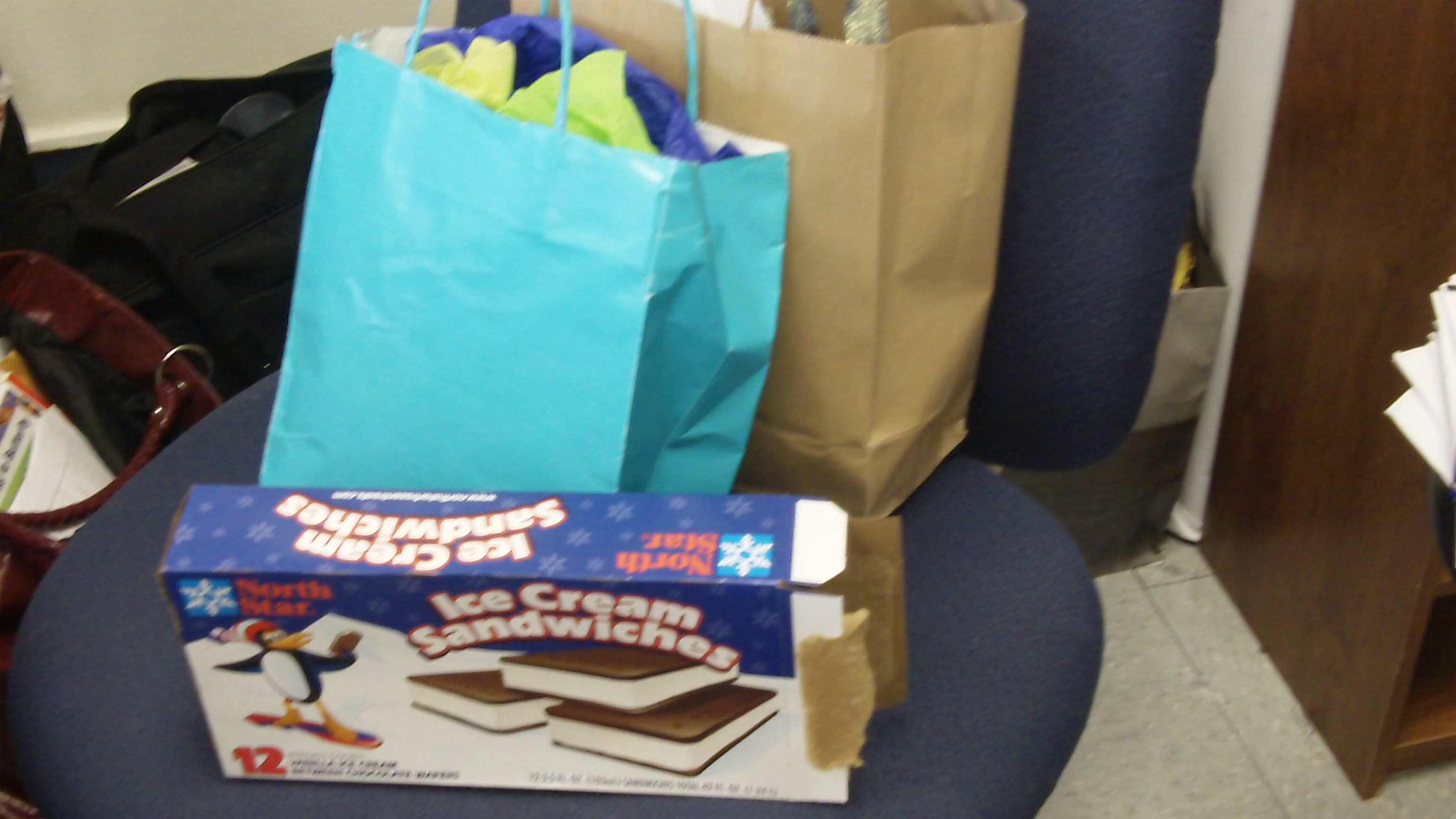
After lunch we usually have read-aloud.  But today, because of our Thanksgiving Dinner project, we returned to what we had be doing before we left.  That meant that they were working independently rather than all with me, and so had a little more leeway to be sneaky.  And sneaky they were!  I was hanging up a poster on the wall and my friend E came and started to ask a question.  Then said, “Oh, sorry, I forgot what I was going to ask you.”  I thought nothing of it, but then a second or two later he said, “Oh, I remember what I wanted….” and all of a sudden everyone was singing!  Next thing I knew, there were 24 5th graders smiling and singing, holding more presents and cards and presenting lots of ice cream treats!  Two big tubs of ice cream and 24 ice cream sandwiches later, I felt very loved and celebrated and a little bit sick because of such great goodies.

They got a big kick out of the fact that I really didn’t know what was going on!  Thanks, families, if you had a part in my happy birthday celebration today!


Learning Is Messy


Today was our last day of school before Thanksgiving break.  And so traditionally, that means that we do things that are a little bit nontraditional in our schedule.  For math, that meant that I put the kiddos to work.

Here’s what I mean…

For many years, my husband and I have taught together.  Well not really together, like in the same school or anything, but we’ve always taught the same grade or the one just behind.  So since that’s the case, we’ve been known to do some of the same things in our classrooms.  One such thing is the Thanksgiving Dinner project in math that comes during these last two days of school.

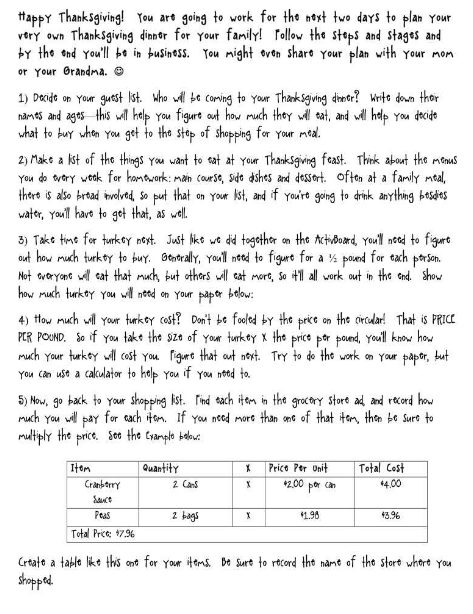
The idea is pretty simple–plan and shop for the Thanksgiving meal for your family.  The directions for my class this year looked like this:

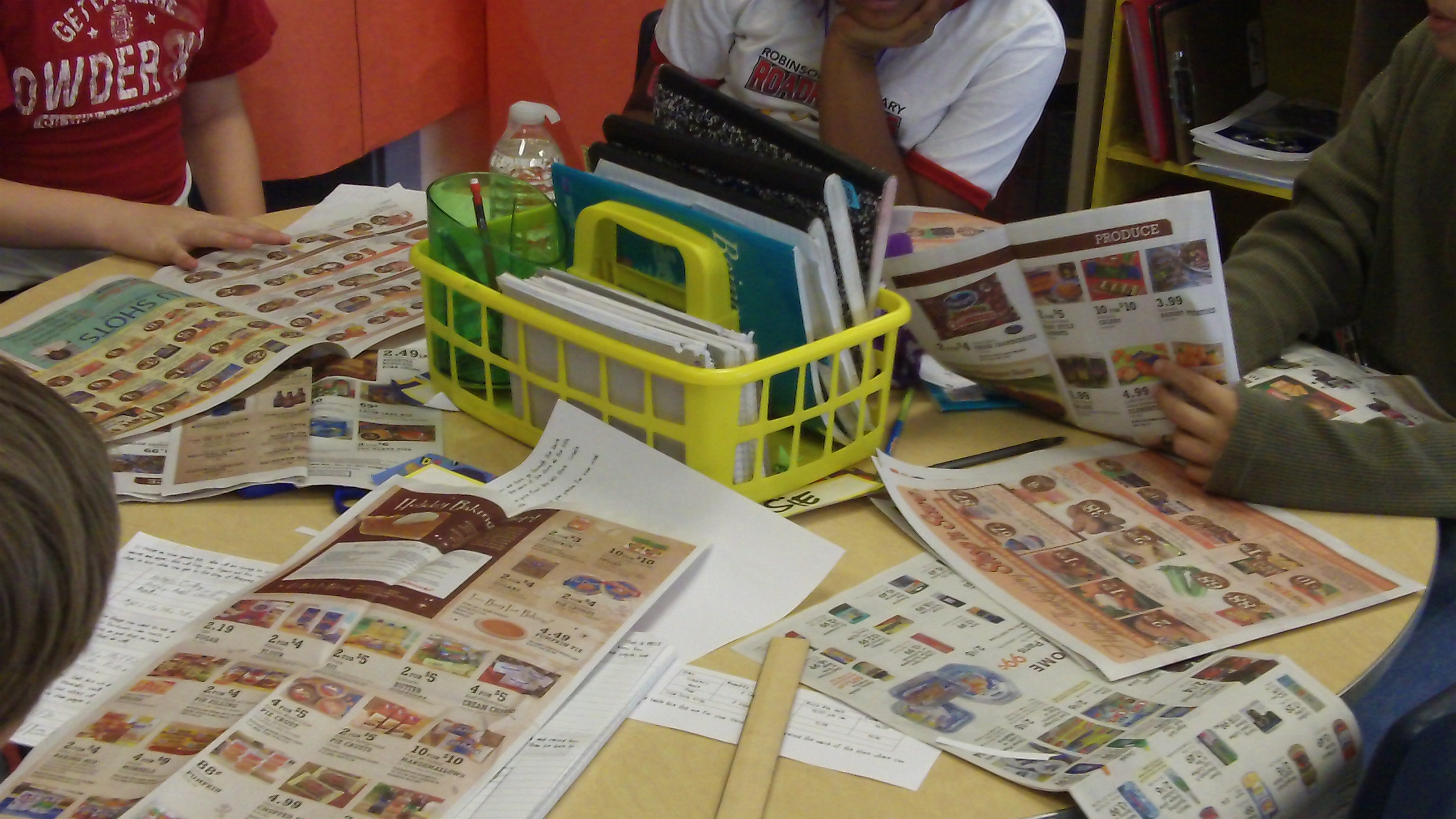
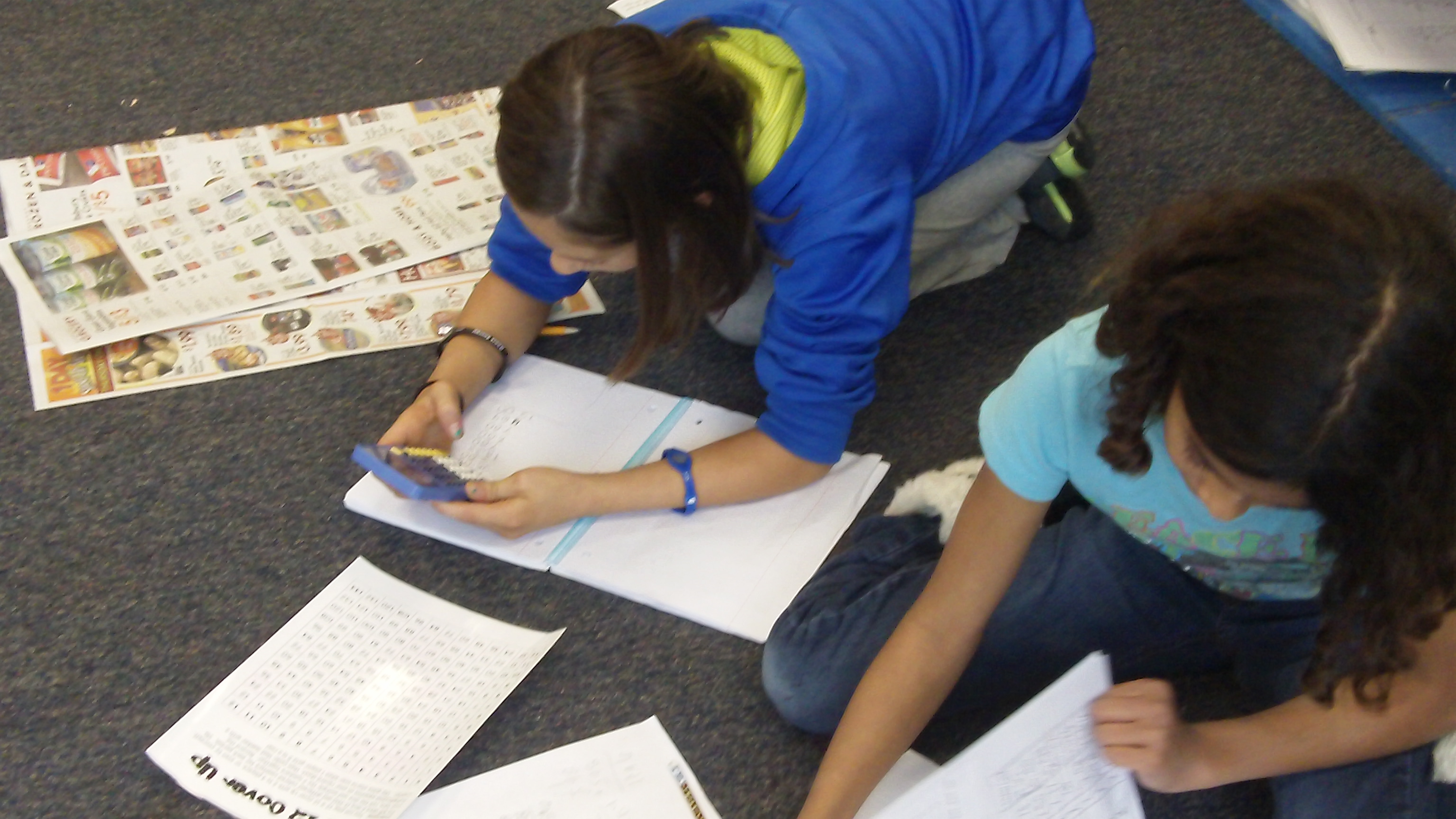
What’s cool is what happens after you give all the directions and answer all the questions and set them all loose to figure it out for themselves.  Check it out.  Like I said, learning can get a little messy.  But it’s a really good kind of messy. 🙂

Z was so focused on his meal, searching diligently through each circular to find just the right foods!


Love how my friend M is so into the paper in this one!  Can you see her behind there?


The other cool thing, besides a messy classroom and lots of kids saying things like “this is really fun!” or my friend D asking me to copy his plan so he could share it with his mom (love that!), was the togetherness that this project brought as they worked with each other.  Truly a family feel in Rm. 201 today!


Happy Thanksgiving, friends!


Lessons from a 4-year-old

Kids say the darndest things.  And if we really listen to what they say, we can usually learn something from them.  This was the case the other night when I was having a conversation at dinner with my son, Riley, who is 4-years-old.  He announced very matter-of-factly that “If you wanna have a friend, you gotta be a friend.”  I asked him to tell me more about that, and he told me “That’s what Ms. Liz says.” Now I know that she probably says that to the class as a whole, but I also know that she probably needs to say that specifically to my son more often then I’d like.  We continued the conversation with more about what that saying meant, and how he knew if he was being a friend.  I was glad to hear his thoughts and could tell that he’d really been working on how to do just those things.

We talked about this phrase on Friday in our own classroom.  I shared it with a small group of friends who were trying to work out how to really care about each other and work together as a team.  We decided that as simple as that phrase is–a 4YO can understand it, afterall, on some level–that is is really more involved that you might first think.  We discussed at length what it might look like to a 5th grader.  And then we put a plan in place to start living it out.

And then even as I’ve gone through this weekend, I’ve realized that there are implications for me, too, as an adult.  I’m learning the same lesson that my son and my students are, just on a different level.

So it’s true what they say: “If you wanna have a friend, you gotta be a friend.”

What does that mean to you?  Feel free to add your thoughts and comment!

1/8 is 12 1/2%

At our school we use Investigations for math.  One thing I love about the program is that it usually digs into the why of each math concept instead of just the how.   It encourages students to create their own strategies for solving problems, emphasizing that there is not just one way to come to a solution. In the case of our fraction/decimal unit that we’re in now, we are doing more than just learning the rote definition of a fraction and coloring in fractional parts of pictures or just adding or subtracting them using the method I directly taught them–like I know I did in 5th grade.  Instead, we are investigating and creating and figuring out and–most importantly in my opinion–using what we already know to discover something we don’t.

Here’s an example of what I’m talking about:

We are at the beginning of a unit called What’s the Portion?, which includes experiences with fractions, decimals and percents. Yesterday and Thursday we were working on figuring out the percent that is equivalent to a fraction.  We started by making drawings on a 10X10 grid (which helped us “see” what was going on) since we know that percent means “out of a 100.”

We used this visual, and what we knew about fractions and percents already to figure out that 1/8 is equivalent to 12 1/2%, because 1/4 is 25% and an eighth is half of a fourth. Our music teacher, Mrs. Kesler, will be tickled to know that I even had one kiddo make the connection between this and what he knows about music notes to help him figure it out.

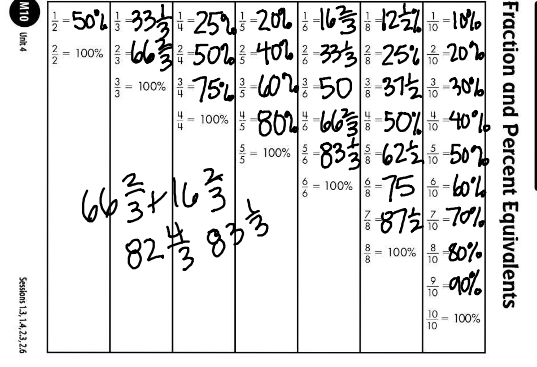
So after the initial idea of fraction and percent equivalents was presented, they were to dig in a little deeper.  I gave them a chart to fill in, that had lots of other fractions to work with.  I told them to fill in all that they could with the directions to NOT do thirds and sixths, that we’d do them the next day.  But what they did instead, was make it their goal TO DO the thirds and sixths.  In this case I didn’t really care that they did the opposite of what I said, because it meant that they were going to try something that might be a challenge, might stretch them a little, might give them questions to ask when we worked on it together.

And for the most part, they all totally rocked it.  They made it look really easy.  Like they’d been figuring out fraction and percent equivalents for years. (Ok, 5th grade readers—which character from one of our favorite read-alouds did that sound like?  Comment on this post with your answer if you know!!)

Here’s what our chart looked like when we were done:

The thing that I think is really remarkable about the thinking behind this is that they are already getting comfortable with going back and forth between fractions and percentages, and can tell you how that relates to a group of things, like how getting 10 out of 20 of your spelling words right is 50% or that 3/4 of a class of 24 is 18.  There is understanding being created that goes far beyond just memorizing definitions.  I like that.  And they like it, too.

Light Bulb Moments

In case you haven’t noticed, read-aloud (chapter book) time in our room is a big deal.  This ain’t no lay-on-the-floor-and-rest-after-recess-time.  My kids will tell you that read-aloud is one of the most important times of the day–we use the chapter book to connect to reading, writing, vocabulary and many other things.

Right now we are deep in the middle of The Secret of Zoom by Lynne Jonell.  In Reader’s Workshop, we’re working on inferring in fiction text.  So today as we read our chapter book, we focused on noticing and recording inferences we were making about the story.  We reviewed the meaning of inferring (which we defined as background knowledge + text=inference), and then got started.  There were a couple of parts when I paused in my reading to say “You might be able to infer something here,” but for the most part I just left them to their listening and thinking.  Then I read a sentence and K, who was sitting right in front of me made a rather loud noise, somewhere in between a gasp and a screech.   She covered her mouth, grinned, and then scribbled something in her notebook.  And I knew exactly what she was thinking.  She had figured out something in the story–she had made an inference.

Now, every time you infer something in a story, you don’t make a big deal like that; it’s not always so obvious.  But this was a really great illustration for us.  Some kids in my class have a hard time knowing when they are inferring; they know what to do, but they don’t always attend to when they’re doing it.  But I’ll but from today on, they will know that when you have a “light bulb moment”, when you say “Ahh! Now I get it!” or when you think “aha!”, you’re probably inferring.  It was cool to watch several others do the very same thing–most without the screech–as we continued to read.  And I’ll bet we’ll notice more of it tomorrow.  I love how the thing that really made it visible, too, is something I couldn’t have planned for (the best learning moments happen like that!).  It came very naturally, and was really powerful for them.  Next time you think “aha!” or have a “light bulb moment”, pay attention –you might be inferring something, too. 🙂

“Blog Worthy” Part 3: Talk-a-Mile-a-Minute

My students love to talk.  I do, too, so I can’t blame them.  I remember myself as a 5th grader, even, and remember that the thing I got in trouble for most often was talking when it was somebody else’s turn.  So whenever I can, I try to give them opportunities to talk while we’re learning.  Partly so that they won’t fill in the space with talk about non-learning things, but also because learning is a social thing; talking is part of how you make meaning.

So frequently we play a game called Talk-a-Mile-a-Minute.  It’s a vocabulary game, and can be used in any subject, with any set of words.  I think I introduced it in math (because there is a TON of vocabulary there!), but we have also played it with science and social studies terms.  Today we played it with new terms from our Ancient West Africa unit in social studies.  It’s fun, they can talk and be active, and they learn something.

Here’s how it works:

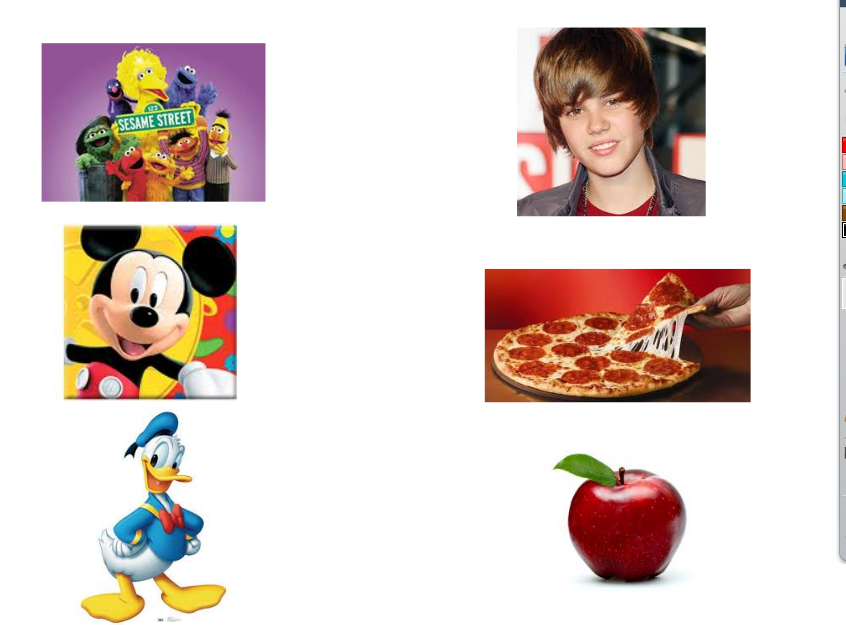
Kids choose a partner to work with.  Partners sit “eye-to-eye, knee-to-knee” in front of the ActivBoard.  The person with their back to the board is the guesser, and the person who can see the board is the describer.  I put up a screen with words they should know (or that they are working on), and the describer has one minute to get the guesser to say all of them.  The first time we played it, we did several practice rounds, and instead of words there were pictures, like this:

The goal is to be as descriptive as you can, without saying what the word starts with or rhymes with.

The first round was pretty easy, so then we tried it with words:

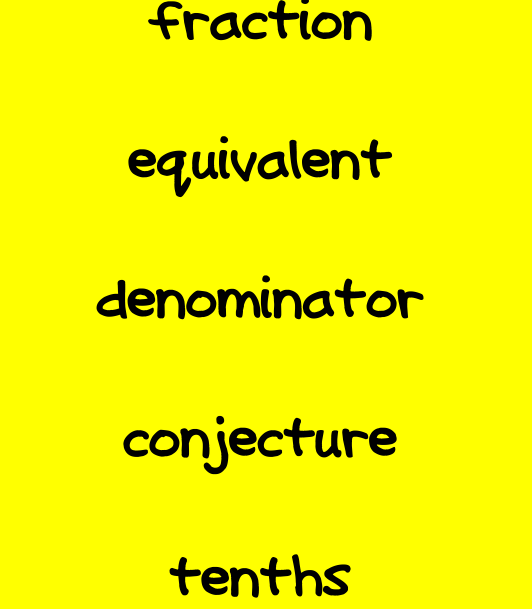
Here are some terms we used yesterday in math:

And here’s today’s version for Social Studies:

How well do you know these words?  Play with your child and see how it goes!

“Blog-Worthy” Part 2: Closing Circle

One of my favorite parts of the day is the last few minutes.

Ok, I know what you’re thinking.  No, it’s not because they’re about to leave, it’s because that’s when we have our Closing Circle.  We end our day together reflecting on what we did as learners.

I know I got the idea for the Closing Circle from someone–probably several someones–and I’m not sure who it was, but I will officially say thanks to Mike Holdinghaus, Heidi Ford and Grant Bearden for this idea.  I am sure I’ve probably tweaked and changed it a little, like teachers often do, but the general idea is the same–appreciate those people we’ve spent the day with and compliment them for the hard work we’ve done together.

The name implies alot: we sit in a circle at the close of the day.  I choose someone to start (this is usually random) and that person starts off by complimenting someone who helped them as a learner at some point during the day.  We go around the circle and each person shares, using the starter “I compliment ________ for…”  They are allowed a “pass” the first time around, if they can’t think of something, and then we fill in with all of those people in the second go-round.

One of the reasons I love this time of day is because it allows us time to reflect on what has actually happened; what we’ve learned, the fun we’ve had, the struggles we may have overcome.  Another reason is because usually they notice things that I didn’t, or think about them in a different way than I would have.  I love that even this early in the year, they’ve figured out that giving a compliment like “You helped me think about that in a way I’d never thought of before” is more thoughtful than “You played with me at recess today.”  Obviously there are times when the compliments are on the surface level like that–but then, sometimes, that’s what really matters to the kid who says it.

There are many days when we don’t get to the closing circle because the last few minutes are nutty and we run out of time.  Those days just don’t feel “right” to me.  And usually someone notices it, too, and makes sure to say so.  Then we always make sure that the next afternoon we make time to meet and close together.  Love it that they love this time as much as me.  It’s just a part of our classroom culture, and is a part that helps everyone leave on the same high note, ready to come back for more tomorrow. 🙂